


Introduction
One of the details of this week’s Torah reading raises an obvious question: G‑d commanded the Jews to build a Sanctuary for Him using boards made of cedar wood1 as walls. How would the Jews get enough cedarwood in the desert to fulfill this command?
Rashi2answers this questions by quoting the following Midrash:
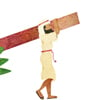
And from where did they get this [wood] in the desert? Rabbi Tanchuma3 explained that our father Yaakov foresaw with the holy spirit that the Israelites were destined to build a Sanctuary in the desert. He [therefore] brought cedar trees to Egypt and planted them there. He commanded his sons [– who conveyed this command to their children and later descendants –] to take them along when they left Egypt.
With the reference to this Midrash, Rashi also resolves other questions that, even at this point in the narrative, still linger in the minds of many who study the book of Shmos: How did the Jews muster the inner strength to withstand the hard labor and harsh oppression they suffered throughout the Egyptian exile? How could they go on after seeing their sons thrown into the Nile?
By planting the cedars from Eretz Yisrael in Egypt, Yaakov insured that his descendants would have wood with which to build the Sanctuary. However, even before the Exodus, the cedars served a purpose – they provided a visible reminder of G‑d’s promise that the Jews would be redeemed from Egypt. Whenever our ancestors became disheartened and felt they could no longer bear the burden of their servitude, they would look to the grove of cedars planted by Yaakov and be filled with renewed hope and faith. Seeing the trees comforted and strengthened them, reminding them that slavery and exile were only temporary; they would ultimately leave Egypt, taking the cedars with them.4
In the sichah to follow, the Rebbe explains that this is not merely an uplifting Midrashic comment, but the straightforward understanding of the Torah’s text. And, knowing that the Torah is eternal, we can extend the concept and draw comfort from this message in our present exile.
As will be explained, cedars are metaphors for righteous men. Just as our ancestors drew inner strength from gazing at the cedars in Egypt, we can accomplish the same goal by focusing on the righteous men of our time. Doing so generates the potential for us not only to remain unaffected by the darkness of exile, but to overcome it, and ultimately, to build G‑d a Sanctuary in this world.
The Origin of the Wood for the Sanctuary
Among the materials that G‑d commanded the Jews to bring for the building of the Sanctuary was cedar wood.5 Rashi comments:6
And from where did they get this [wood] in the desert? Rabbi Tanchuma7 explained that our father Yaakov foresaw with the holy spirit that the Israelites were destined to build a Sanctuary in the desert. He [therefore] brought cedar trees to Egypt and planted them there. He commanded his sons – [who conveyed this command to their children and later descendants –] to take them along when they left Egypt.
א“וַעֲצֵי שִׁטִּים”א – וּפֵרֵשׁ רַשִׁ”יב: וּמֵאַיִן הָיוּ לָהֶם בַּמִּדְבָּר פֵּרֵשׁ רַבִּי תַּנְחוּמָאג יַעֲקֹב אָבִינוּ צָפָה בְּרוּחַ הַקֹּדֶשׁ שֶׁעֲתִידִין יִשְׂרָאֵל לִבְנוֹת מִשְׁכָּן בַּמִּדְבָּר וְהֵבִיא אֲרָזִים לְמִצְרַיִם וּנְטָעָם וְצִוָּה לְבָנָיו לִטְּלָם עִמָּהֶם כְּשֶׁיֵּצְאוּ מִמִּצְרַיִם.
Clarification is necessary: Rabbi Tanchuma’s interpretation appears to be Aggadic in nature, without having a source in the simple, straightforward interpretation of Scripture. Since Rashi composed hiscommentary to present the straightforward interpretation of the Torah’s words,8 it is necessary to understand why hefelt compelled to offer this interpretation rather than a much more direct one – that the Jews purchased this wood from non-Jewish traveling merchants9 or, as Ibn Ezra10 and, similarly, Rabboseinu Baalei HaTosafos11comment, that there was a forest of cedar trees growing close to Mount Sinai and the Jews cut the wood from there.12
וְיֵשׁ לְהָבִין: פֵּרוּשׁ זֶה שֶׁל רַבִּי תַּנְחוּמָא לִכְאוֹרָה הוּא דִּבְרֵי אַגָּדָה בְּלִי מָקוֹר בִּפְשׁוּטוֹ שֶׁל מִקְרָא, וּמַה הִכְרִיחַ אֶת רַשִׁ”י לִנְקוֹט פֵּרוּשׁ זֶה כַּאֲשֶׁר יֵשׁ לְפָרֵשׁ בְּפַשְׁטוּת, שֶׁבְּנֵי יִשְׂרָאֵל קָנוּ עֵצִים אֵלֶּה מִתַּגָּרֵי הָאֻמּוֹתד, אוֹ כִּדְפֵרֵשׁ בְּאִבְּן עֶזְרָאד* (וְעַל דֶּרֶךְ זֶה בְּבַעֲלֵי הַתּוֹסְפוֹת עַל הַתּוֹרָהה) שֶׁהָיָה יַעַר שֶׁל עֲצֵי שִׁטִּים סָמוּךְ אֶל הַר סִינַי שֶׁמִּשָּׁם כָּרְתוּ אֶת הָעֵצִיםו.
Some commentaries13 explain that Rashi was compelled to interpret the verse here in this manner based on a later mention14 of “everyone in whose possession cedar wood was found,” which explicitly indicates that the Jews already possessed this wood at the time the command to bring it for the Sanctuary was given. Ibn Ezra also cites this verse.15
בִּמְפָרְשִׁיםז תֵּרְצוּ שֶׁהַהֶכְרֵחַ הוּא מִמַּה שֶּׁנֶּאֱמַר לְקַמָּן בְּפָרָשַׁת וַיַּקְהֵלח “וְכֹל אֲשֶׁר נִמְצָא אִתּוֹ עֲצֵי שִׁטִּים”, הֲרֵי מְפֹרָשׁ בִּקְרָא שֶׁהָעֵצִים כְּבָר הָיוּ בִּידֵי יִשְׂרָאֵל (וּכְמוֹ שֶׁהֵבִיא גַם כֵּן בְּאִבְּן עֶזְרָאט).
However, since Rashi does not mention this latter verse, it is extremely difficult to say that this is what compelled him to offer the above interpretation. It is very forced to say that Rashi relies on this later verse16 to explain his commentary here.17
אֲבָל קָשֶׁה לוֹמַר שֶׁזֶּהוּ הֶכְרֵחוֹ שֶׁל רַשִׁ"י – שֶׁהֲרֵי רַשִׁ"י לֹא הִזְכִּיר קְרָא זֶה, וּמוּבָן שֶׁדֹּחַק גָּדוֹל בְּיוֹתֵר לוֹמַר שֶׁרַשִׁ"י סוֹמֵךְ כַּאןי עַל פָּסוּק דִּלְהַלָּן (בְּפָרָשַׁת וַיַּקְהֵליא).
So that Everything is Ready
It is possible to offer the following straightforward resolution to the above quandary: The command to donate toward the construction of the Sanctuary is worded:18 “Have them [i.e., the treasurers] take an offering for Me. Take My offering from every man whose heart motivates him to generosity. This is the offering you shall take from them.”
On the surface, it might seem that the Torah should have used forms of the verbs “to give,” “to bring,” or the like that emphasize the act of the people who generously donated an offering. Why does the Torah use forms of the verb “to take” that instead emphasizes the actions of the Sanctuary treasurers who were charged with taking19 the offerings from the Jewish people?
בוְיֵשׁ לוֹמַר הַבֵּאוּר בְּזֶה – בְּפַשְׁטוּת:
הַצִּוּוּי עַל נִדְבַת הַמִּשְׁכָּן נֶאֱמַר בִּלְשׁוֹן – “וְיִקְחוּ לִי תְּרוּמָה . . תִּקְחוּ אֶת תְּרוּמָתִי . . הַתְּרוּמָה אֲשֶׁר תִּקְחוּ מֵאִתָּם”יב, וְלִכְאוֹרָה הֲוָה לֵיהּ לְמֵימַר בִּלְשׁוֹן “נְתִינָה” (אוֹ הֲבָאָה וְכַיּוֹצֵא בָזֶה), דְּהַיְנוּ פְּעֻלַּת הַמְנַדֵּב מִבְּנֵי יִשְׂרָאֵל לָתֵת אֶת תְּרוּמַת ה’, וּמַדּוּעַ נֶאֱמַר בִּלְשׁוֹן “קִיחָה” (דְּקָאֵי עַל הָאֲנָשִׁים הַגִּזְבָּרִים הַלּוֹקְחִיםיג אֶת הַתְּרוּמָה מֵאֵת בְּנֵי יִשְׂרָאֵל?)
When addressing the people making the donations the Torah uses the term terumah, translated as “offering,”which Rashi20 interprets as meaning, “separation; the donors shall set apart from their possessions an offering for Me.” This wording does not emphasize the act of giving to G‑d, but merely setting aside the offering from the remainder of their property to serve as a donation. The wording of the command addressed to the treasurers, “Have them take… for Me,”21 implies that the donors had already performed the act of separation. All that was necessary was for the treasurers to take it.
[וּבַנּוֹגֵעַ לְהַנּוֹתְנִים (מְנַדְּבִים), נִזְכָּר בַּכָּתוּב רַק עַל-דְּבַר פְּעֻלַּת הַהַפְרָשָׁה, כְּפֵרוּשׁ רַשִׁ”י “תְּרוּמָה, הַפְרָשָׁה יַפְרִישׁוּ לִי מִמָּמוֹנָם נְדָבָה”, שֶׁאֵין זוֹ פְּעֻלַּת הַנְּדָבָה (נְתִינָה) לַה’, כִּי אִם רַק הַפְרָשַׁת הַתְּרוּמָה מִ(שְּׁאָר) מָמוֹנָם לְשֵׁם נְדָבָה (וְקִיחַת הַגִּזְבָּרִים – “וְיִקְחוּ לִי”יד – הִיא לְאַחַר שֶׁיֶּשְׁנָהּ כְּבָר פְּעֻלַּת הַהַפְרָשָׁה)].
By using the verb “take,” the Torah is implying that all the articles mentioned as dedications to the Sanctuary were already in the possession of the Jewish people. All that was lacking was that the articles be “taken” from them.
וּמַשְׁמָעוּת הַכְּתוּבִים, שֶׁכָּל הַדְּבָרִים שֶׁנִּמְנוּ בַּכָּתוּב (שֶׁהֵם נִדְבַת הַמִּשְׁכָּן) כְּבָר הָיוּ בִּרְשׁוּתָם וּבְיָדָם שֶׁל בְּנֵי יִשְׂרָאֵל מִקֹּדֶם לָכֵן, וְלֹא הָיְתָה חֲסֵרָה אֶלָּא פְּעֻלַּת הַקִּיחָה מֵהֶם בִּלְבָד.
To reword the concept slightly: Were the Torah to use forms of the verb “to give,” the implication would be that there is an obligation incumbent on the donors to do so. Implicit in that obligation is that they do everything they can in order to make the required donations, including chopping trees or buying wood. However, the Torah’s use of forms of the verb “to take” implies that, from the donor’s perspective, everything was prepared.22 All that needed to be done was for the treasurers to take something the donors already possessed.23
בְּסִגְנוֹן אַחֵר קְצָת: אִם הָיָה כָּתוּב לְשׁוֹן נְתִינָה, שֶׁמַּשְׁמָעוֹ שֶׁיֵּשׁ חִיּוּב עַל הַנּוֹתְנִים לָתֵת, הֲרֵי זֶה כּוֹלֵל גַּם שֶׁיַּעֲשׂוּ כָּל מַה שֶּׁבִּיכוֹלְתָּם כְּדֵי שֶׁתִּהְיֶה נְתִינָה, כּוֹלֵל גַּם כְּרִיתַת עֵצִים אוֹ קְנִיָּתָם כו’; אֲבָל לְשׁוֹן קִיחָה תּוֹכְנוֹ שֶׁמִּצַּד הַנּוֹתֵן הַכֹּל מוּכָןטו וְאֵין חָסֵר אֶלָּא מַעֲשֵׂה הַקִּיחָה שֶׁל הַגִּזְבָּרטו*.
It can be said that this is why Rashi interprets the term terumah in the phrase, “Have them take an offering (terumah) for Me,” not as giving a donation, but as “separation; [the donors] shall set apart from their possessions an offering for Me.” This further emphasizes that the objects to donate were already in their possession and they had but to separate them from their other property.
[וְיֵשׁ לוֹמַר שֶׁלָּכֵן מְפָרֵשׁ רַשִׁ”י וּמְדַיֵּק שֶׁ”וְיִקְחוּ לִי תְּרוּמָה” אֵין פֵּרוּשׁוֹ הַנְּתִינָה לַה’, אֶלָּא רַק “הַפְרָשָׁה, יַפְרִישׁוּ לִי מִמָּמוֹנָם נְדָבָה”, שֶׁזֶּה מַדְגִּישׁ עוֹד יוֹתֵר שֶׁהַדָּבָר שֶׁמְּנַדְּבִים כְּבָר נִמְצָא אֶצְלָם, וְהַפְּעֻלָּה שֶׁלָּהֶם הִיא רַק “הַפְרָשָׁה”, לְהַפְרִישׁ דְּבָרִים אֵלּוּ מִתּוֹךְ שְׁאָר מָמוֹנָם].
This is the basis for Rashi’s question regarding the cedar wood, “And from where did they get this wood in the desert?”24 i.e., how was it possible for the Jews in the desert to have wood in their possession that needed only to be taken from them?
(By emphasizing “in the desert,” Rashi’s intent was not to underscore that trees do not grow in the desert. Instead, he was highlighting that it is not the ordinary practice of people to use wood – particularly, wood of this type – while traveling in the desert. Accordingly, why would the Jews have such wood prepared in their possession?)
Rashi resolves that question, by stating, “Rabbi Tanchuma explained that our father Yaakov foresaw… He brought cedar trees... He commanded his sons to take them with them when they left Egypt.”25
וְזֶהוּ פֵּרוּשׁ שְׁאֵלַת רַשִׁ”י (עַל “וַעֲצֵי שִׁטִּים” (– “וּמֵאַיִן הָיוּ לָהֶם בַּמִּדְבָּר”טז, כְּלוֹמַר, מֵאַיִן הָיוּ עֲצֵי שִׁטִּים מוּכָנִים בְּיָדָם בַּמִּדְבָּר וְלֹא הָיָה חָסֵר אֶלָּא קִיחָה מִיָּדָם [הַיְנוּ שֶׁהַדְגָּשַׁת רַשִׁ”י “בַּמִּדְבָּר” אֵין כַּוָּנָתָהּ מִפְּנֵי שֶׁאֵין עֵצִים גְּדֵלִים בַּמִּדְבָּר, אֶלָּא שֶׁאֵין דֶּרֶךְ בְּנֵי אָדָם לְהִשְׁתַּמֵּשׁ בְּעֵצִים (וּבִפְרָט עֵצִים כָּאֵלֶּה) בִּהְיוֹתָם בַּדֶּרֶךְ בַּמִּדְבָּר]. וּמְתָרֵץ רַשִׁ”י “פֵּרֵשׁ רַבִּי תַּנְחוּמָא יַעֲקֹב אָבִינוּ צָפָה כו’ וְהֵבִיא אֲרָזִים כו’ וְצִוָּה לְבָנָיו לִטְּלָם עִמָּהֶם כְּשֶׁיֵּצְאוּ מִמִּצְרַיִם”יז.
This also resolves the precise wording Rashi uses, “Rabbi Tanchuma explained,” which is a rare choice of words for Rashi. Moreover, on the surface, Rabbi Tanchuma’s words do not appear to be an explanation of the literal meaning of the verse, but rather an Aggadic teaching that resolves a question arising from the story of the construction of the Sanctuary. Seemingly, the phrase, “Rabbi Tanchuma explained,” is not appropriate. Instead, Rashi should have commented, “It is stated in Midrash Tanchuma,” or used a convention that he frequently employs in his commentary26 – to write his interpretation and then cite his source at the conclusion: “Tanchuma.”
וּבָזֶה מְתֹרָץ גַּם כֵּן דִּיּוּק לְשׁוֹן רַשִׁ”י “פֵּרֵשׁ רַבִּי תַּנְחוּמָא” – שֶׁזֶּהוּ לָשׁוֹן בִּלְתִּי רָגִיל בְּפֵרוּשׁ רַשִׁ”י, וְעוֹד זֹאת – דִּבְרֵי הַתַּנְחוּמָא לִכְאוֹרָה אֵינָם פֵּרוּשׁ דִּבְרֵי הַכָּתוּב, אֶלָּא אַגָּדָה הַמְתָרֶצֶת שְׁאֵלָה הַמִּתְעוֹרֶרֶת בְּסִפּוּר עֲשִׂיַּת הַמִּשְׁכָּן, וְאֵיךְ מַתְאִים הַלָּשׁוֹן “פֵּרֵשׁ רַבִּי תַּנְחוּמָא”? וַהֲוָה לֵיהּ לְמֵימַר “אִיתָא בְּמִדְרַשׁ תַּנְחוּמָא” (אוֹ – כָּרָגִיל בְּכַמָּה מְקוֹמוֹת בְּפֵרוּשׁ רַשִׁ”ייח – לִכְתּוֹב הַפֵּרוּשׁ וּלְסַיְּמוֹ (פֵּרוּשׁוֹ) בְּצִיּוּן מְקוֹרוֹ: תַּנְחוּמָא).
By phrasing his commentary as he does, Rashi emphasizes that the necessity of quoting Rabbi Tanchuma’s words does not stem from a question prompted by the narrative as a whole because, as stated previously, there are several ways to resolve the question, “From where did the wood come?” Instead, the question stems from the wording of the verse which, as explained above, indicates that the objects the Jews donated to the Sanctuary were already in their possession beforehand and all that was needed to be done was to take them. Rabbi Tanchuma’s teaching provides a straightforward answer to that question. His comments are not a mere Aggadic insight, but enable us to understand the simple meaning of the text.
אֶלָּא שֶׁבָּזֶה מַדְגִּישׁ רַשִׁ"י, שֶׁהַהֶכְרֵחַ לְהָבִיא דִּבְרֵי רַבִּי תַּנְחוּמָא אֵינוֹ מִפְּנֵי שְׁאֵלָה הַמִּתְעוֹרֶרֶת בִּכְלָלוּת הַסִּפּוּר [כִּי הַשְּׁאֵלָה מֵהֵיכָן הָיוּ הָעֵצִים אֶפְשָׁר לְתָרֵץ בְּאוֹפַנִּים אֲחֵרִים, כַּנַּ"ל], אֶלָּא מִפְּנֵי פֵּרוּשׁ לְשׁוֹן הַכָּתוּב, שֶׁבּוֹ מֻדְגָּשׁ שֶׁהַדְּבָרִים שֶׁנָּדְבוּ לִמְלֶאכֶת הַמִּשְׁכָּן הָיוּ מוּכָנִים בְּיָדָם וְלֹא הָיְתָה חֲסֵרָה אֶלָּא הַקִּיחָה, כַּנַּ"ל.
Three Other Materials for the Sanctuary
It is possible to say that this was also Rashi’s intent in his commentary to the phrase,27 “[wool dyed] techeiles, argaman….” as he comments:
techeiles – wool dyed with the blood of the chilazon,28 the hue of which is sea-green.29
argaman – wool dyed with a type of hue that is called argaman.
and linen – [the product of] flax.
גוְיֵשׁ לוֹמַר, שֶׁזּוֹהִי גַּם כַּוָּנַת רַשִׁ”י בְּפֵרוּשָׁיו עַל הַפָּסוּקיט “וּתְכֵלֶת וְאַרְגָּמָן גו’ ”, וְזֶה לְשׁוֹנוֹ: וּתְכֵלֶּת, צֶמֶר צָבוּעַ בְּדַם חִלָּזוֹן וְצִבְעוֹ יָרֹק. וְאַרְגָּמָן, צֶמֶר צָבוּעַ מִמִּין צֶבַע שֶׁשְּׁמוֹ אַרְגָּמָן. וְשֵׁשׁ, הוּא פִּשְׁתָּן.
From a casual reading, it appears that Rashi is coming to identify the three articles mentioned.30 Nevertheless, that understanding is problematic for the following reasons:
דִּלְפוּם רִיהֲטָא מַשְׁמַע שֶׁרַשִׁ”י בָּא לְפָרֵשׁ מַה הֵם שְׁלֹשָׁה דְבָרִים הַלָּלוּכ. אֲבָל אֵינוֹ מוּבָן:
a) Rashi does not identify argaman. He merely writes that it is “a type of hue that is called argaman.”
א) סוֹף-סוֹף לֹא פֵרֵשׁ רַשִׁ”י מַהוּ “אַרְגָּמָן” (וְכוֹתֵב רַק שֶׁזֶּהוּ צֶבַע “שֶׁשְּׁמוֹ אַרְגָּמָן”)!
Moreover, the definition of the term argaman is the subject of a difference of opinion between Rambam and Raavad. Rambam31 explains that argaman is “wool that is dyed red. Similarly, in his commentary to the verse at hand, Ibn Ezra interprets argaman as having “the likeness of red.” Raavad32differs and explains that argaman refers to “a weave of threads of two or three colors. Therefore, it is called argaman.”33
[וְיֵשׁ לְהוֹסִיף: מָצִינוּ פְּלוּגְתָּא בְּזֶה בֵּין הָרַמְבַּ”ם וְהָרַאבַ”ד, שֶׁהָרַמְבַּ”םכא פֵּרֵשׁ “שֶׁהוּא הַצֶּמֶר הַצָּבוּעַ אָדֹם” (וְעַל דֶּרֶךְ זֶה פֵּרֵשׁ הָאִבְּן עֶזְרָא כַּאן “כִּדְמוּת אָדֹם”), וּבְרַאבַ”דכב פֵּרֵשׁ שֶׁ”אַרְגָּמָן אָרוּג מִשְּׁנֵי מִינִין אוֹ מִשְּׁלֹשָׁה צְבָעִין עַל כֵּן נִקְרָא אַרְגָּמָן”.
It is obvious that Rashi does not follow Raavad’s interpretation because he writes that argaman is “a type of hue that is called argaman,” i.e., argaman is the name of one hue and not several hues woven together.34 However, from the indefinite wording used by Rashi, “a type of hue that is called argaman,” it is also apparent that he does not interpret argaman as red,35 for were that the case, he should have stated so explicitly, as he states regarding techeiles, “whose hue is sea-green.” As such, we are forced to say that Rashi is following a third approach, that argaman is a distinct hue of its own.36
וְהִנֵּה זֶה פָּשׁוּט שֶׁרַשִׁ”י לֹא סְבִירָא לֵיהּ כְּהָרַאבַ”ד, שֶׁהֲרֵי כּוֹתֵב “מִין צֶבַע שֶׁשְּׁמוֹ אַרְגָּמָן” – הֲרֵי שֶׁזֶּהוּ שֵׁם שֶׁל צֶבַע אֶחָד (וְלֹא – כַּמָּה צְבָעִים אֲרוּגִים יַחַד)כג. גַּם מִסְּתִימַת לְשׁוֹן רַשִׁ”י “מִין צֶבַע שֶׁשְּׁמוֹ אַרְגָּמָן” מוּכָח שֶׁלֹּא סְבִירָא לֵיהּ שֶׁהוּא “אָדֹם”כד – דְּאִם כֵּן הֲוָה לֵיהּ לְפָרֵשׁ (כְּמוֹ שֶׁפֵּרֵשׁ שֶׁ”תְּכֵלֶת . . צִבְעוֹ יָרֹק”). וְעַל כָּרְחָךְ צָרִיךְ לוֹמַר שֶׁשִּׁיטַת רַשִׁ”י הִיא שִׁיטָה שְׁלִישִׁית – שֶׁ”אַרְגָּמָן” הוּא צֶבַע בִּפְנֵי עַצְמוֹכה.
Accordingly, it would seem that the fundamental point is lacking and Rashi should have identified what color argaman is.37
וְאִם כֵּן הָעִקָּר חָסֵר – שֶׁהָיָה צָרִיךְ לְבָאֵר מַהוּ צֶבַע אַרְגָּמָןכו].
b) Why did Rashi have to explain that linen is “the product of flax”? The term sheish, meaning “linen,” was used previously in Parshas Mikeitz38 – “He clothed him in linen garments…” – and Rashi does not comment at all there.39 Thus, it can be assumed that even “a five-year-old beginning the study of the Torah”40 who understands lashon hakodesh41 knows the meaning of the term sheish and it is not necessary to explain it to him.42 If so, why was it necessary to explain it here?
ב) מַדּוּעַ צָרִיךְ רַשִׁ"י לְפָרֵשׁ דְּ"שֵׁשׁ הוּא פִּשְׁתָּן" – הֲרֵי כְּבָר מָצִינוּ לְשׁוֹן "שֵׁשׁ" לְעֵיל בְּפָרָשַׁת מִקֵּץכז, "וַיַּלְבֵּשׁ אוֹתוֹ בִּגְדֵי שֵׁשׁ", וְשָׁם לֹא פֵרֵשׁ רַשִׁ"י כְּלוּםכח, וְעַל כָּרְחָךְ צָרִיךְ לוֹמַר מִפְּנֵי שֶׁפֵּרוּשָׁהּ שֶׁל תֵּבַת "שֵׁשׁ" יָדוּעַ אֲפִלּוּ לְ"בֶן חָמֵשׁ לְמִקְרָא" (הַמֵּבִין בְּפַשְׁטוּת לְשׁוֹן הַקֹּדֶשׁ) וְאֵין צֹרֶךְ לְפָרְשָׁהּ. וּמַדּוּעַ הֻצְרַךְ לְפָרְשָׁהּ כַּאן?
What the People Had at Hand
Therefore, it appears that Rashi’s intent in his commentary is not to explain the meaning of these three terms, but to answer the question of a more general nature raised previously: How did the Jews have these articles in their possession during their journey in the desert? As explained above, the wording of the verse indicates that these articles were already in the Jews’ possession; it was only necessary for the treasurers to take them. But that is not entirely understandable. With regard to silver, gold, and copper, the Torah previously related that the Jews requested “silver and golden articles” from the Egyptians.43Moreover, afterwards, they gathered the spoils of the Egyptian chariots that washed up after the splitting of the sea and, as Rashi explains,44 found on the seashore “ornaments of gold, silver, and precious stones” of the Egyptians. Thus, it is understandable that the Jews had ample resources of these metals. However, the question arises, “Where did they get” dyes of techeiles, which comes from the blood of a chilazon, argaman, etc., “in the desert?” It is not logical to assume that the Jews took vials of the dyes of different hues for their needs in the desert when they left Egypt.
דוְלָכֵן נִרְאֶה לוֹמַר שֶׁעִקַּר כַּוָּנַת רַשִׁ”י בְּפֵרוּשָׁיו כַּאן אֵינָהּ לְבָאֵר מַה הֵם שְׁלֹשֶׁת הַדְּבָרִים הַלָּלוּ, אֶלָּא לְתָרֵץ אֶת הַשְּׁאֵלָה הַכְּלָלִית הַנַּ”ל הַמִּתְעוֹרֶרֶת בַּכְּתוּבִים כַּאן – “מֵאַיִן הָיוּ לָהֶם בַּמִּדְבָּר” דְּבָרִים הַלָּלוּ:
מִלְּשׁוֹן הַכְּתוּבִים כַּאן מוּבָן, כַּנַּ”ל, שֶׁדְּבָרִים אֵלּוּ כְּבָר הָיוּ בִּרְשׁוּתָם שֶׁל יִשְׂרָאֵל וְלֹא הָיְתָה חֲסֵרָה אֶלָּא קִיחַת הַגִּזְבָּרִים; וְלִכְאוֹרָה: בִּשְׁלָמָא כֶּסֶף זָהָב וּנְחֹשֶׁת – כְּבָר לָמַדְנוּ לְעֵיל שֶׁבְּנֵי יִשְׂרָאֵל שָׁאֲלוּ מֵהַמִּצְרִים “כְּלֵי כֶסֶף וּכְלֵי זָהָב גו’ ”כט (וּלְאַחַר זֶה בִּזַּת הַיִּם, כִּמְפֹרָשׁ בְּפֵרוּשׁ רַשִׁ”יל שֶׁבְּנֵי יִשְׂרָאֵל מָצְאוּ בַּיָּם “תַּכְשִׁיטֵי זָהָב וְכֶסֶף וַאֲבָנִים טוֹבוֹת” שֶׁל הַמִּצְרִים), וּמוּבָן שֶׁהָיוּ אֵצֶל בְּנֵי יִשְׂרָאֵל מִן הַמּוּכָן; אֲבָל “מֵאַיִן הָיוּ לָהֶם בַּמִּדְבָּר” צֶבַע תְּכֵלֶת (שֶׁהוּא מִדַּם חִלָּזוֹן) אוֹ צֶבַע אַרְגָּמָן וכו’? וּבִכְלָל אֵינוֹ מוּבָן שֶׁבִּיצִיאָתָם מִמִּצְרַיִם יִלְקְחוּ בְּנֵי יִשְׂרָאֵל עִמָּהֶם לְצָרְכֵיהֶם בַּמִּדְבָּר צְלוֹחִיּוֹת שֶׁל צְבָעִים.
Rashianswers this question by explaining that techeiles does not refer to the dye, but to “wool45 dyed with the blood of a chilazon”46 and argaman to “wool41 dyed with a type of hue that is called argaman.” There is no question at all as to how they had these woolen articles in the desert because the Torah relates that they had an abundance of sheep even when they were in Egypt, as Moshe told Pharaoh,47 “We will go out with our flocks and herds.” Similarly, it is explicitly stated48 that the Jews left Egypt, with “sheep and cattle, and an immense amount of livestock.” If so, it is not difficult to fathom that the Jews had a large amount of wool,49 including wool that was dyed in different hues.19
וְלָכֵן מְפָרֵשׁ רַשִׁ”י, שֶׁ”תְּכֵלֶת” הַיְנוּ – “צֶמֶרלא צָבוּעַ בְּדַם חִלָּזוֹן”לב, וְכֵן “וְאַרְגָּמָן” פֵּרוּשׁוֹ “צֶמֶרלא צָבוּעַ מִמִּין צֶבַע שֶׁשְּׁמוֹ אַרְגָּמָן”, וְאֵין שְׁאֵלָה כְּלָל מֵאַיִן הָיוּ לָהֶם דְּבָרִים אֵלֶּה בַּמִּדְבָּר, כִּי מְפֹרָשׁ בִּקְרָא שֶׁהָיוּ לָהֶם הַרְבֵּה צֹאן עוֹד בִּהְיוֹתָם בְּמִצְרַיִם (וּכְדִבְרֵי מֹשֶׁה לְפַרְעֹה “בְּצֹאנֵנוּ וּבִבְקָרֵנוּ נֵלֵךְ”לג, וּבִיצִיאַת מִצְרַיִם מְפֹרָשׁ שֶׁלָּקְחוּ אִתָּם “צֹאן וּבָקָר מִקְנֶה כָּבֵד מְאֹד”לד) – וְאִם כֵּן מוּבָן וְלֹא יִפָּלֵא שֶׁהָיָה נִמְצָא אֵצֶל בְּנֵי יִשְׂרָאֵל הַרְבֵּה צֶמֶרלה, כּוֹלֵל – צֶמֶר צָבוּעַ בִּצְבָעִים שׁוֹנִיםטו*.
Similarly, in order to clarify how it was possible for the Jews to possess linen that was ready for use in the Sanctuary, Rashi explains that linen is “[the product of] flax.” Rashi had already stated in his commentary50 that flax grows in Egypt. Therefore, it can be assumed that when the Jews “spoiled Egypt,”51 they also took flax with them.
וּכְדֵי שֶׁיִּהְיֶה בָּרוּר וּפָשׁוּט כֵּיצַד הָיָה אֵצֶל יִשְׂרָאֵל מִן הַמּוּכָן “שֵׁשׁ”, מוֹסִיף רַשִׁ”י וּמַדְגִּישׁ – “וְשֵׁשׁ הוּא פִּשְׁתָּן”, שֶׁכְּבָר הֵבִיא רַשִׁ”י בְּפֵרוּשׁוֹלו, שֶׁפִּשְׁתָּן גָּדֵל בְּמִצְרַיִם, וּבְמֵילָא מוּבָן, דְּכַאֲשֶׁר “וַיְנַצְּלוּ אֶת מִצְרָיִם”לז לָקְחוּ עִמָּהֶם גַּם פִּשְׁתָּן.
Based on the above – that also in his preceding commentaries, Rashi was explaining how the Jews could possess in the desert the articles required for the Sanctuary, as mentioned by the Torah – it is possible to present a straightforward resolution to a quandary noted by the author of Turei Zahav52 regarding the commentary of Rashi under discussion. The author of Turei Zahav points out that Rashi begins his commentary with the rhetorical question, “And from where did they get this [wood] in the desert?” using a vav,53translated as “and.”
וְעַל פִּי זֶה – שֶׁגַּם בְּפֵרוּשָׁיו הַקּוֹדְמִים בָּא רַשִׁ”י לְבָאֵר “מֵאַיִן הָיוּ לָהֶם בַּמִּדְבָּר” הַדְּבָרִים הַמְּנוּיִים בַּכָּתוּב – מְתֹרָץ בְּפַשְׁטוּת דִּיּוּק הַטַּ”זלח בְּפֵרוּשׁ רַשִׁ”י דִּידָן, שֶׁמַּתְחִיל רַשִׁ”י פֵּרוּשׁוֹ בְּתוֹסֶפֶת וָא”ולט, “וּמֵאַיִן הָיוּ לָהֶם בַּמִּדְבָּר” – “וְלֹא אָמַר מֵאַיִן בְּלֹא וָא”ו”.
[The author of Turei Zahav48explains that, by adding the vav, Rashi was resolving the following difficulty:
The wording of the verse raises another question aside from “And from where…?” i.e., Why did the Torah state “cedar wood”? It would have been sufficient to state “cedars.” For this reason, Rashi wrote, “And from where…,” i.e., [implying that] aside from the question [“Why cedar wood, not cedars?”] there is an additional question: “[And] from where…?” [Both questions are resolved by the answer Rashi gives: that] it is necessary to say that the verse is referring to [the cedar trees] that Yaakov planted in Egypt. That is the intent of the word atzei, “wood,”54 i.e., [wood was taken] from those cedar trees that [grew] there because Yaakov planted [them].
[בְּטַ”זלח מְתָרֵץ שֶׁהָיָה “קָשֶׁה לָמָּה לִי עֲצֵי שִׁטִּים . . דַּי לוֹמַר וְשִׁטִּים . . מִשּׁוּם הָכִי כָּתַב וּמֵאַיִן הָיָה לָהֶם, פֵּרוּשׁ דְּקָשֶׁה עוֹד מֵאַיִן הָיָה כו’, וְצָרִיךְ לוֹמַר דְּהַכָּתוּב קָאֵי עַל מַה שֶּׁנָּטַע יַעֲקֹב בְּמִצְרַיִם וְעַל זֶה אָמַר עֲצֵי, מֵאוֹתָן שִׁטִּים שֶׁהָיוּ כְּבָר מִנְּטִיעַת יַעֲקֹב”.
However, his resolution requires explanation because we find several places where Rashi begins his commentary with a question; for example, “Why does [this verse] follow [the preceding one?”] and the like. In several of those instances, the commentaries explain that the fundamental question Rashi is coming to answer is an “external concern”55 raised by the verse, which is resolved by the explanation Rashi gives in his commentary. Nevertheless, in these instances, Rashi does not begin his commentary with a vav to allude to this additional concern.]
אֲבָל צָרִיךְ עִיּוּן בְּתֵרוּצוֹ, שֶׁהֲרֵי מָצִינוּ עַל דֶּרֶךְ זֶה בְּכַמָּה מְקוֹמוֹת בְּפֵרוּשׁ רַשִׁ”י [שֶׁמַּתְחִיל פֵּרוּשׁוֹ בִּשְׁאֵלָה (כְּמוֹ “לָמָּה נִסְמְכָה כו’ ” וְכַיּוֹצֵא בָזֶה) וּבִמְפָרְשִׁים בֵּאֲרוּ שֶׁעִקַּר הַשְּׁאֵלָה שֶׁרַשִׁ”י בָּא לְתָרֵץ בְּפֵרוּשׁוֹ אֵינָהּ שְׁאֵלָה זוֹ, אֶלָּא שֶׁיֵּשׁ בַּכָּתוּב “הֶרְגֵּשׁ מִבַּחוּץ”, הַמִּתְיַשֵּׁב עַל יְדֵי הַתֵּרוּץ עַל הַשְּׁאֵלָה שֶׁמֵּבִיא רַשִׁ”י בְּפֵרוּשׁוֹ] – וּמִכָּל מָקוֹם לֹא הִתְחִיל רַשִׁ”י הַשְּׁאֵלָה בְּוָא”ו הַמּוֹסִיף].
Based on the above explanations, the reason for Rashi’s addition of the vavis easily understood. In his previous commentaries, Rashi is also concerned about this very question: How did the Jews have these articles in their possession during their journey in the desert? With regard to the other articles mentioned, a straightforward answer presents itself, as explained above. However, with regard to cedar wood, since there is no easily apparent resolution in the straightforward reading of the verses, Rashi therefore finds it necessary to go into further detail and ask, “And from where did they get this wood in the desert?” To emphasize that this question comes as a continuation of his previous comments regarding techeilis, argaman and linen, Rashi begins, “And cedar wood – And from where did they get this wood in the desert?”
וְעַל פִּי הַמְבֹאָר לְעֵיל מוּבָן בְּפַשְׁטוּת, כִּי גַם בְּפֵרוּשָׁיו הַקּוֹדְמִים עוֹסֵק רַשִׁ"י בְּתֵרוּץ שְׁאֵלָה זוֹ: אֶלָּא שֶׁכַּאן, בַּנּוֹגֵעַ לַעֲצֵי שִׁטִּים, כֵּיוָן שֶׁאֵין שׁוּם תֵּרוּץ, לִכְאוֹרָה, בְּפַשְׁטוּת הַכְּתוּבִים – מְפָרֵט וְשׁוֹאֵל רַשִׁ"י "וּמֵאַיִן הָיוּ לָהֶם בַּמִּדְבָּר". וּכְדֵי לְהַדְגִּישׁ שֶׁשְּׁאֵלָה זוֹ בָּאָה בְּהֶמְשֵׁךְ לְפֵרוּשָׁיו הַקּוֹדְמִים – מַתְחִיל רַשִׁ"י "וַעֲצֵי שִׁטִּים, וּמֵאַיִן הָיוּ לָהֶם בַּמִּדְבָּר".
Preparing for the Future
Nevertheless, the matter is not entirely resolved: True, the verses indicate that the cedar wood was already in the Jews’ possession. Consequently, it is necessary to say that it was prepared beforehand as a result of Yaakov’s instructions. However, the reason why Yaakov had these preparations undertaken requires explanation. Since cedar wood could have been obtained from non-Jewish traveling merchants or from nearby woods, why did Yaakov have to undertake the effort of bringing and planting cedar trees in Egypt more than 200 years56 before the command to build the Sanctuary?
האָמְנָם עֲדַיִן אֵין הָעִנְיָן מִתְיַשֵּׁב כָּל צָרְכּוֹ. דְּהֵן אֱמֶת שֶׁמֵּהַכְּתוּבִים מוּכָח שֶׁגַּם עֲצֵי הַשִּׁטִּים הָיוּ מִן הַמּוּכָן בִּרְשׁוּתָם שֶׁל בְּנֵי יִשְׂרָאֵל, וּבְמֵילָא הֻכְרַח לוֹמַר שֶׁכְּבָר הוּכְנוּ מִקֹּדֶם לָכֵן (עַל יְדֵי צִוּוּיוֹ שֶׁל יַעֲקֹב כו’) – אֲבָל הָא גוּפָא טַעְמָא בָּעֵי: מִכֵּיוָן שֶׁהָיוּ יְכוֹלִים לְהַשִּׂיג עֲצֵי שִׁטִּים מִתַּגָּרֵי הָאֻמּוֹת אוֹ מִיְּעָרוֹת הַסְּמוּכִים – מַדּוּעַ הֻצְרַךְ יַעֲקֹב אָבִינוּ לְהִשְׁתַּדֵּל יוֹתֵר מִמָּאתַיִם שָׁנָהמ לִפְנֵי הַצִּוּוּי עַל מְלֶאכֶת הַמִּשְׁכָּן – בַּהֲבָאַת וּנְטִיעַת אֲרָזִים בְּמִצְרַיִם?
On the surface, it is possible to explain that – via the spirit of prophecy – Yaakov knew that G‑d’s command to build the Sanctuary would require that the articles used for building it be “taken.” From this, he understood G‑d’s will – that the articles necessary for building the Sanctuary already be in the Jews’ possession when the command would be given. Since there would be no ordinary reason or cause for the Jews to take cedar wood out of Egypt and carry it with them into the desert, it was necessary for Yaakov to plant the cedar trees and command his descendants to cut them down and take the wood when they would leave Egypt.
לִכְאוֹרָה יֵשׁ לוֹמַר, שֶׁיַּעֲקֹב יָדַע שֶׁצִּוּוּי הַשֵּׁם עַל מְלֶאכֶת הַמִּשְׁכָּן יִהְיֶה בְּתֹכֶן (בִּלְשׁוֹן) “תִּקְחוּ” כַּנַּ”ל, שֶׁמִּזֶּה מוּבָן, שֶׁרְצוֹנוֹ יִתְבָּרֵךְ הוּא שֶׁהַדְּבָרִים שֶׁהֻצְרְכוּ לִמְלֶאכֶת הַמִּשְׁכָּן יִהְיוּ מוּכָנִים בִּידֵי יִשְׂרָאֵל, וְכֵיוָן שֶׁבְּדֶרֶךְ הַטֶּבַע אֵין טַעַם וְסִבָּה שֶׁבְּנֵי יִשְׂרָאֵל יוֹלִיכוּ עֲצֵי שִׁטִּים מִמִּצְרַיִם, הֻצְרַךְ יַעֲקֹב לְצַוּוֹתָם עַל כָּךְ וּלְהָכִין הָאֲרָזִים.
This explanation, however, intensifies the question. It implies that G‑d’s command that the donations to the Sanctuary be “taken” from the donors necessitated that Yaakov act and plant the cedar trees more than 200 years before the command to build the Sanctuary was given. In other words, G‑d’s command used the word “take” so that Yaakov, through his spirit of prophecy, would realize that it was incumbent on him to plant cedar trees in Egypt 200 years before the building of Sanctuary.
There are questions that beg to be asked: Why was this necessary? What purpose did planting the trees so far in advance serve?
אֲבָל זֶה עוֹד מַגְדִּיל הַשְּׁאֵלָה – כִּי לְפִי זֶה נִמְצָא, שֶׁהַצִּוּוּי בִּלְשׁוּן “קְחוּ” הִכְרִיחַ פְּעֻלָּתוֹ שֶׁל יַעֲקֹב בַּהֲכָנַת הָאֲרָזִים יוֹתֵר מִמָּאתַיִם שָׁנָה לִפְנֵי הַצִּוּוּי; הַיְנוּ שֶׁלְּפִיכָךְ הָיָה הַצִּוּוּי בִּלְשׁוֹן “תִּקְחוּ” כְּדֵי שֶׁיַּעֲקֹב יִטַּע הָאֲרָזִים בְּמִצְרַיִם – וְטַעְמָא בָּעֵי?
Rashi alludes to the resolution of these questions by mentioning the name of the author of this teaching – Rabbi Tanchuma. The name Tanchuma relates to the Hebrew word tanchumim, meaning “comfort.” Rashi states: “Rabbi Tanchuma explained that our father Yaakov foresaw with the holy spirit” and took these actions because they would bring the Jewish people comfort.
וְהַבֵּאוּר בָּזֶה מְרַמֵּז רַשִׁ”י בְּהַזְכִּירוֹ אֶת שְׁמוֹ שֶׁל בַּעַל הַמַּאֲמָר – “רַבִּי תַּנְחוּמָא:”
“תַּנְחוּמָא” הוּא מִלְּשׁוֹן תַּנְחוּמִין. וְלָכֵן “פֵּרֵשׁ רַבִּי תַּנְחוּמָא” שֶׁ”יַּעֲקֹב אָבִינוּ צָפָה בְּרוּחַ הַקֹּדֶשׁ וכו’ ”, מִכֵּיוָן שֶׁעִנְיָן זֶה הוּא נֶחָמָתָן שֶׁל יִשְׂרָאֵל:
Throughout the duration of the Egyptian exile, particularly when the Jews suffered arduous servitude and had to endure the heart-breaking decree,57 “every son that is born, cast into the river,” they drew comfort – not only from G‑d’s promise,58 “I will certainly cause you to ascend” – but also from gazing at the cedar trees that Yaakov brought and planted in Egypt. He undertook the extensive effort this entailed59 because he:
foresaw with the holy spirit that the Israelites were destined to build a Sanctuary in the desert. He [therefore] brought cedar trees to Egypt and planted them there. He commanded his sons – who conveyed this command to their children and later descendants – to take them along when they left Egypt.3
כַּאֲשֶׁר בְּנֵי יִשְׂרָאֵל נִמְצָאִים בְּגָלוּת מִצְרַיִם, בְּמַצָּב דְּקֹשִׁי הַשִּׁעְבּוּד, וְעַד לִגְזֵרַת “כָּל הַבֵּן הַיִּלּוֹד הַיְאוֹרָה תַּשְׁלִיכוּהוּ”מא וכו’ – הֲרֵי נוֹסָף עַל הַהַבְטָחָה דִּ”וְאָנֹכִי אַעַלְךָ גַם עָלֹה”מב, “שׁוֹאֲבִים” הֵם נֶחָמָה וְתַנְחוּמִין כָּל מֶשֶׁךְ זְמַן הַגָּלוּת בִּרְאוֹתָם בְּעֵינֵיהֶם מַמָּשׁ אֶת עֲצֵי הָאֲרָזִים שֶׁהֵבִיא יַעֲקֹב וְנָטַע בְּמִצְרַיִם, שֶׁטַּעְמוֹ בְּטִרְחָא רַבָּה זוֹמג הָיָה מִפְּנֵי שֶׁ”צָּפָה בְּרוּחַ הַקֹּדֶשׁ שֶׁעֲתִידִין . . לִבְנוֹת מִשְׁכָּן בַּמִּדְבָּר”, “וְצִוָּה לְבָנָיו (וּבָנָיו לִבְנֵיהֶם וּבְנֵי בְנֵיהֶם אַחֲרֵיהֶם) לִטְּלָם עִמָּהֶם כְּשֶׁיֵּצְאוּ מִמִּצְרַיִם”.
In other words, there were other ways that the Jews could have obtained cedar wood for the Sanctuary. Nevertheless, to generate comfort – the distinguishing quality of Rabbi Tanchuma – for the Jewish people, Yaakov brought cedar trees and planted them in Egypt and commanded that his descendants take them along when they left Egypt. Because he did this, the trees to be taken when the Jews left Egypt were planted so that they would stand before their eyes throughout the entire duration of the Egyptian exile and servitude. Seeing these cedar trees reminded them and drew their attention to their eventual redemption.
כְּלוֹמַר: עֲצֵי שִׁטִּים לְצֹרֶךְ הַמִּשְׁכָּן גּוּפָא – הָיוּ יְכוֹלִים כַּנַּ”ל לְהַשִּׂיג בְּכַמָּה אוֹפַנִּים, אֲבָל כְּדֵי שֶׁתִּהְיֶה נֶחָמָתָן שֶׁל יִשְׂרָאֵל (עִנְיָנוֹ שֶׁל רַבִּי תַּנְחוּמָא) – הֵבִיא יַעֲקֹב אֲרָזִים וּנְטָעָם בְּמִצְרַיִם (וְצִוָּה לְבָנָיו שֶׁיִּטְּלוּם עִמָּהֶם כְּשֶׁיֵּצְאוּ מִמִּצְרַיִם), כְּדֵי שֶׁבְּמֶשֶׁךְ כָּל זְמַן גָּלוּת וְשִׁעְבּוּד מִצְרַיִם יִהְיוּ לְנֶגֶד עֵינֵיהֶם עֵצִים אֵלּוּ שֶׁנִּטְּעוּ עַל מְנָת שֶׁיִּטְּלוּם כְּשֶׁיֵּצְאוּ מִמִּצְרַיִם, הַיְנוּ שֶׁ(רְאִיַּת) עֲצֵי אֲרָזִים אֵלֶּה מַזְכִּירִים וּמַדְגִּישִׁים אֶת גְּאֻלַּת יִשְׂרָאֵל.
On this basis, it is possible to detect an allusion in the wording Rashi chose to begin and introduce his commentary, “Rabbi Tanchuma explained….” Rashi was intimating that the concept of comfort was an explanation, i.e., an exposition of the straightforward meaning of the concept, not merely an allusion or an interpretation. Rashi was hinting that the comfort the Jews derived did not stem merely from a spoken promise or the like. They were able to draw comfort from the trees, material objects they could see with their eyes of flesh. This brought them comfort in the simplest sense.
וְזֶהוּ גַם הָרֶמֶז בִּלְשׁוֹן רַשִׁ”י וּבְהַתְחָלָתוֹ (הַקְדָּמַת הָעִנְיָן) “פֵּרֵשׁ רַבִּי תַּנְחוּמָא” – כְּלוֹמַר: עִנְיַן הַנֶּחָמָה (“תַּנְחוּמָא”) הוּא בְּאֹפֶן שֶׁל פֵּרֵשׁ (עִנְיָן שֶׁל פְּשַׁט, וְלֹא רֶמֶז וּדְרַשׁ), כִּי נֶחָמָה זוֹ הָיְתָה לֹא רַק הַבְטָחָה בְּדִבּוּר וְכַיּוֹצֵא בָזֶה, אֶלָּא נֶחָמָה בְּדָבָר גַּשְׁמִי, הַנִּרְאֶה בְּעֵינֵי בָשָׂר, נֶחָמָה בְּפַשְׁטוּת.
There is a further point that can be gleaned from the precise wording Rashi chose. Not only did he write that Yaakov planted cedar trees in Egypt, he added the detail that he “brought cedar trees to Egypt.” Seemingly, what difference does it make that he brought the trees from another place?
וּבָזֶה מְתֹרָץ עוֹד דִּיּוּק בִּלְשׁוֹן רַשִׁ”י, שֶׁלֹּא הִסְתַּפֵּק לוֹמַר שֶׁיַּעֲקֹב נָטַע אֲרָזִים בְּמִצְרַיִם אֶלָּא מוֹסִיף וּמְפָרֵט “וְהֵבִיא אֲרָזִים לְמִצְרַיִם” – דְּלִכְאוֹרָה, לְמַאי נַפְקָא מִנָּהּ שֶׁהֵבִיאוּ הָאֲרָזִים מִמָּקוֹם אַחֵר?
Furthermore, later in this Torah reading, in his commentary on the verse,60 “You shall make the beams…,” Rashi reiterates the substance of his explanation here, of how Yaakov prepared for the cedar beams, mentioning the details of what he did – indeed, including other details, but nevertheless omitting this point – that Yaakov brought the cedar trees to Egypt.61
וּבְיוֹתֵר תָּמוּהַּ: לְהַלָּן עַל הַפָּסוּקמד “וְעָשִׂיתָ אֶת הַקְּרָשִׁים” חוֹזֵר רַשִׁ”י עַל תֹּכֶן פֵּרוּשׁוֹ זֶה אֵיךְ הֵכִין יַעֲקֹב אָבִינוּ אֲרָזִים כו’, עִם כָּל פְּרָטֵי הָעִנְיָן (וְעוֹד מוֹסִיף פְּרָטִים חֲדָשִׁים) – וּמִכָּל מָקוֹם מַשְׁמִיט שָׁם פְּרָט זֶה שֶׁיַּעֲקֹב הֵבִיא אֲרָזִים לְמִצְרַיִםמה.
Based on the above, it is possible to explain that this point relates to the concept of comfort – that the Jews should see with their own eyes the cedar trees Yaakov brought from Eretz Yisrael,62a place that implies a state of redemption. This would further emphasize to the Jews that the Egyptians would not have complete dominion over them. G‑d’s promise,54 “I will certainly cause you to ascend,” would be fulfilled. They would leave Egypt and ascend to Eretz Yisrael, taking the cedar trees with them.
וְעַל פִּי הַנַּ"ל יֵשׁ לוֹמַר, כִּי פְּרָט זֶה נוֹגֵעַ לְעִנְיַן הַתַּנְחוּמִין – שֶׁבְּנֵי יִשְׂרָאֵל יִרְאוּ בְּעֵינֵי בָשָׂר אֲרָזִים שֶׁהוּבְאוּ מִמָּקוֹם אַחֵר (מֵאֶרֶץ יִשְׂרָאֵלמו – הַמּוֹרֶה עַל מַצָּב שֶׁל גְּאֻלָּה), שֶׁזֶּה מַדְגִּישׁ עוֹד יוֹתֵר שֶׁאֵין נְתוּנִים לַחֲלוּטִין תַּחַת שְׁלִיטַת הַמִּצְרִים, אֶלָּא אַעַלְךָ גַם עָלֹהמב, יֵצְאוּ וְיַעֲלוּ לְאֶרֶץ יִשְׂרָאֵל (וְיִטְּלוּ אֲרָזִים אֵלֶּה עִמָּהֶם).
The Ultimate Comfort
There is an added message that can be derived from the “wine of the Torah”63 implicit in Rashi’s commentary: The comfort generated by this interpretation of Rabbi Tanchuma extends beyond the Egyptian exile. It relates to all the subsequent exiles, as well as to the present and final, lengthy exile, for Israel’s subjugation to all the ruling kingdoms and exile among them is identified with the term Egypt.64
ווְיֵשׁ לְהוֹסִיף בְּ”יֵינָהּ שֶׁל תּוֹרָה” שֶׁבְּפֵרוּשׁ רַשִׁ”י – שֶׁפֵּרוּשׁ זֶה שֶׁל רַבִּי תַּנְחוּמָא הוּא “תַּנְחוּמִין” נוֹסָף עַל גָּלוּת מִצְרַיִם גַּם עַל כָּל הַגָּלִיּוֹת וְעַל אֲרִיכוּת דְּגָלוּת זֶה הָאַחֲרוֹן (שֶׁכָּל הַמַּלְכִיּוֹת (וְגָלִיּוֹת) נִקְרָאוֹת עַל שֵׁם מִצְרַיִםמז).
There are holy texts65 that use the wanderings of the Jews in the desert as a metaphor for the Jews’ exile in the “desert of the nations.”66 The ultimate purpose of this journey is to build a Sanctuary in the desert, i.e., to make in and from the desert – which is a place of kelipah, the domain of “snakes, serpents, scorpions, and parchedness,”67 devoid of any trace of holiness – a dwelling and sanctuary for G‑d, “a dwelling for Him in the lowest realm, below which there is none.”68
דְּהִנֵּה אִיתָא בִּסְפָרִיםמח שֶׁהַגָּלוּת נִמְשָׁל לַהֲלִיכַת בְּנֵי יִשְׂרָאֵל בַּמִּדְבָּר, “מִדְבַּר הָעַמִּים”מט וְתַכְלִית הֲלִיכָה זוֹ הִיא – “לִבְנוֹת מִשְׁכָּן בַּמִּדְבָּר”, דְּהַיְנוּ לַעֲשׂוֹת בַּמִּדְבָּר וּמִמְּצִיאוּת הַ”מִּדְבָּר” (שֶׁהוּא מְקוֹם הַקְּלִפּוֹת, נָחָשׁ שָׂרָף וְעַקְרָב וְצִמָּאוֹן גו’נ מָקוֹם שָׁמֵם מִכָּל עִנְיָן שֶׁל קְדֻשָּׁה) מִשְׁכָּן וּמִקְדָּשׁ לוֹ יִתְבָּרֵךְ, דִּירָה לוֹ יִתְבָּרֵךְ בַּתַּחְתּוֹנִים, שֶׁאֵין תַּחְתּוֹן לְמַטָּה מִמֶּנּוּ.
When this service is completed, we will merit to fulfill the command,69 “They will make a Sanctuary for Me,” in a literal way, by building the Third Beis HaMikdash. In it will also be revealed “the Sanctuary of the desert,”70 the Sanctuary built by Moshe.71
וּבִגְמַר עֲבוֹדָה זוֹ זוֹכִים לְקַיֵּם הַצִּוּוּינא “וְעָשׂו לִי מִקְדָּשׁ” כִּפְשׁוּטוֹ, בְּבֵית הַמִּקְדָּשׁ הַשְּׁלִישִׁי, שֶׁבּוֹ יִתְגַּלֶּה גַּם הַמִּשְׁכָּן שֶׁעָשָׂה מֹשֶׁה, “מִקְדַּשׁ הַמִּדְבָּר”נב.
The power to overcome the darkness of exile – particularly the compounded darkness of ikvesa demeshicha, the era when the Mashiach’s approaching footsteps can be heard – and, despite it, to build a Sanctuary in the desert, stems from our Patriarch Yaakov’s act of bringing and planting cedar trees in Egypt.
וְהַכֹּחַ לְהִתְגַּבֵּר עַל חֶשְׁכַּת הַגָּלוּת, וּבִפְרָט חֹשֶׁךְ כָּפוּל וּמְכֻפָּל דְּעִקְבְתָא דִמְשִׁיחָא, וְאַדְּרַבָּא “לִבְנוֹת מִשְׁכָּן בַּמִּדְבָּר” – הוּא מִפְּעֻלַּת יַעֲקֹב אָבִינוּ שֶׁ”הֵבִיא אֲרָזִים לְמִצְרַיִם וּנְטָעָם”.
To offer further explanation for the above: Cedar trees – from which the boards of the Sanctuary were made – also allude to tzaddikim, as it is written,72 “A tzaddik will flourish like a palm tree, rising high like a cedar in Lebanon,” as Kli Yakar explains.73 More particularly, it is a metaphor for the nesiim74 – literally, “the upraised ones,” more commonly translated as “leaders” – of the Jewish people, for they are continually in an uplifted state, “rising high” like cedars.
וְיֵשׁ לוֹמַר הַבֵּאוּר בָּזֶה:
הָ”אֲרָזִים” (שֶׁמֵּהֶם “וְעָשׂו”, נַעֲשׂוּ הָעֲצֵי שִׁטִּים לַמִּשְׁכָּן) הֵם גַּם רֶמֶז עַל הַצַּדִּיקִים שֶׁנִּקְרָאִים “אֲרָזִים” כְּמוֹ שֶׁנֶּאֱמַרנג “צַדִּיק כַּתָּמָר יִפְרָח כְּאֶרֶז בַּלְּבָנוֹן יִשְׂגֶּה”, כִּמְבֹאָר בִּכְלִי יָקָרנד. וּבִפְרָטִיּוּת יוֹתֵר הֵם רֶמֶז עַל נְשִׂיאֵי יִשְׂרָאֵל (לְשׁוֹן הִתְנַשְּׂאוּת), שֶׁעוֹמְדִים בְּאֹפֶן דְּהִתְנַשְּׂאוּת (יִשְׂגֶּה) כַּאֲרָזִים.
This highlights the connection to our Patriarch Yaakov. The term nasi (נָשִׂיא) is an acronym for the Hebrew phrase,נִיצוֹצוֹ שֶׁל יַעֲקֹב אָבִינוּ, meaning “the spark of our Patriarch Yaakov.”75 Our Patriarch Yaakov “united all Israel,” as stated by Gur Aryeh in his commentary to this Torah reading.76 Also as the Alter Rebbe writes,77 the soul of Yaakov “comprised the souls of Israel for all time.” The same phenomenon applies regarding every nasi of the Jewish people. His soul is comprehensive in nature, including the souls of all the people in his generation. Therefore, he unites them all.78
וְזוֹהִי הַשַּׁיָּכוּת לְיַעֲקֹב אָבִינוּ דַּוְקָא – כִּי “נָשִׂיא” הוּא רָאשֵׁי תֵבוֹת “נִיצוֹצוֹ שֶׁל יַעֲקֹב אָבִינוּ”נה, דִּכְמוֹ שֶׁיַּעֲקֹב אָבִינוּ הָיָה “מְאַחֵד אֶת כָּל יִשְׂרָאֵל” (כְּמוֹ שֶׁכָּתוּב בְּגוּר אַרְיֵה כַּאן)נו, וּבִלְשׁוֹן רַבֵּינוּ הַזָּקֵןנז שֶׁנִּשְׁמַת יַעֲקֹב הָיְתָה “כְּלוּלָה מִכָּל הַנְּשָׁמוֹת שֶׁבְּיִשְׂרָאֵל מֵעוֹלָם וְעַד עוֹלָם” – כֵּן הוּא אֵצֶל כָּל נְשִׂיא יִשְׂרָאֵל, שֶׁנִּשְׁמָתוֹ הִיא נְשָׁמָה כְּלָלִית הַכְּלוּלָה מִכָּל נִשְׁמוֹת אַנְשֵׁי דוֹרוֹ, וְלָכֵן הוּא מְאַחֵד אֶת כֻּלָּםנח.
This is the implication of Rashi’s statement that our Patriarch Yaakov brought cedar trees to Egypt. All of the nesiim are “sparks of our Patriarch Yaakov.” Their source is Eretz Yisrael for, in truth, they transcend the phenomenon of exile.79 Nevertheless, they were “planted in Egypt,” i.e., in the era of exile, to empower the Jewish people to overcome the darkness of exile and build a Sanctuary in the desert.
וְזֶהוּ שֶׁכָּתַב וּפֵרֵשׁ רַשִׁ”י שֶׁיַּעֲקֹב אָבִינוּ הֵבִיא “אֲרָזִים” לְמִצְרַיִם, כִּי כָּל הַנְּשִׂיאִים הֵם נִיצוֹץ שֶׁל יַעֲקֹב אָבִינוּ, וּמְקוֹרָם הוּא מֵאֶרֶץ יִשְׂרָאֵל, כִּי בֶּאֱמֶת הֵם לְמַעְלָה מֵעִנְיַן הַגָּלוּתנט, אֶלָּא שֶׁכְּדֵי לְהַכְנִיס בִּבְנֵי יִשְׂרָאֵל הַכֹּחַ לְהִתְגַּבֵּר עַל חֶשְׁכַּת הַגָּלוּת וְלִבְנוֹת מִשְׁכָּן בַּמִּדְבָּר, “נְטָעָם” בְּמִצְרַיִם, בִּזְמַן הַגָּלוּת.
This is the comfort of the Jewish people throughout their sojourns in “the desert of the nations” – that they possess “cedars,” the leaders whom our Patriarch Yaakov implanted in every generation80 who transcend the phenomenon of exile. They are able to be seen by the Jewish people and generate strength for all Jews so that they will not be affected by the darkness of exile, but rather overcome it, to the extent that they will be able to build a Sanctuary in the desert.
וְזוֹהִי נֶחָמָתָם שֶׁל יִשְׂרָאֵל בִּהְיוֹתָם בְּ”מִדְבַּר הָעַמִּים”, שֶׁיֵּשׁ לָהֶם הָ”אֲרָזִים” שֶׁנָּטַע יַעֲקֹב אָבִינוּ בְּכָל דּוֹר וָדוֹרס שֶׁהֵם לְמַעְלָה מֵהַגָּלוּת, וְנִרְאִים לִבְנֵי יִשְׂרָאֵל וּמַשְׁפִּיעִים כֹּחַ בְּכָל יִשְׂרָאֵל לֹא לְהִתְפָּעֵל מֵחֶשְׁכַּת הַגָּלוּת כִּי אִם לְהִתְגַּבֵּר עָלָיו, עַד שֶׁבּוֹנִים וְעוֹשִׂים מִשְׁכָּן בַּמִּדְבָּר.
Through such efforts, we become worthy of consummate comfort – comfort in the most simple and actual sense – the only possible comfort for the length of this final exile being the true and Ultimate Redemption81 brought about by Mashiach. May it actually take place in tangible reality, speedily, in our days.
וַאֲזַי זוֹכִים לְנֶחָמָה הַשְּׁלֵמָה – נֶחָמָה כִּפְשׁוּטָהּ מַמָּשׁ, בְּפֹעַל מַמָּשׁ – שֶׁהַנֶּחָמָה הַיְחִידָה הָאֶפְשָׁרִית עַל אֲרִיכוּת גָּלוּת זֶה הָאַחֲרוֹן הִיא – גְּאֻלָּה הָאֲמִתִּית וְהַשְּׁלֵמָהסא עַל יְדֵי מָשִׁיחַ צִדְקֵנוּ, כִּפְשׁוּטָהּ מַמָּשׁ, לְמַטָּה מֵעֲשָׂרָה טְפָחִים מַמָּשׁ, וּבִמְהֵרָה בְיָמֵינוּ מַמָּשׁ.



Start a Discussion