


ב"ה
Education Video
Sort By:
 Page of 3

Video | 1:37
|

Video | 1:53
Something Spiritual on Parshat Shelach
An alternate reading into the Torah’s words related to the mitzvah of separating challah provides instruction on when to begin educating our youth in yiddishkeit.
|

|

|

Video | 2:10
The goal of education and the role of the educator is hinted to in the Hebrew word for education, chinuch.
|

|

Video | 42:27
A complete curriculum of Torah study, and the significance of its mystical themes
Rabbi Isaiah Horowitz (1565 – 1630) is famous for his Shnei Luchut HaBrit (Shelah), and helped bring mystical themes into mainstream Jewish life by incorporating them into his ethical, moral and educational teachings.
|

Video | 11:26
Four applications based on the teachings of the Rebbe
|

Video | 45:48
Practical tips for parents and grandparents
What are the most essential principles for transmitting a strong Jewish identity to our children and grandchildren? What changes can we implement in our homes that will really make a difference in the long run? Doron Kornbluth presents five simple rules from his book Raising Kids to Love Being Jewish.
|
Video | 29:44
A Presentation to Students at Chabad of Binghamton
Jewish culture has always expected that even Jewish laypeople be well-versed in their religion.
|
Video | 26:49
A Mystical Model for Understanding the Teacher Student Relationship
Rabbi Shneur Zalman, founder of the Chabad school of Chasidism, uses the Sefirot to describe the relationship between teacher and student. Using practical examples, Dr. Loewenthal shows how this model has been applied by Chabad leadership in the modern era.
|

Video | 37:47
An Educational Approach of the Lubavitcher Rebbe
Rabbi Yaffe leads a discussion with a group of academics and rabbis at a conference for studying the teachings of the Rebbe, Rabbi Menachem M. Schneerson of righteous memory. He focuses on the emphasis placed by the Rebbe on teaching Jewish children to follow Jewish "minhagim" (customs).
|
Video | 16:08
How powerful memories from attending a Chabad camp in my youth influenced my world of education.
|

Video | 46:19
The Month of Elul
Chassidus teaches that throughout the month of Elul the Almighty is “unusually accessible” to every Jew as He displays “a smiling countenance and receives everyone with grace and favor.” Then, why are we not enjoined to be joyous?! In answering the question, this talk addresses the obligation to educate children, and reveals a unique kind of joy that lies at the core of the preparatory days of Elul. (Sefer HaSichos 5748, Shoftim)
|

Video | 20:39
Letters and Numbers of Torah - Emor
“The L‑rd said to Moses: Speak to the Kohanim, the sons of Aaron, and say to them . . .” (Leviticus 21:1) What is the difference between “speak to them” and “say to them”? In Hebrew these two words are “emor” and “amarta”—the first is spelled aleph-mem-reish, while the other is spelled aleph-mem-reish-tav, the only difference being the letter tav. This additional letter symbolizes the difference between a theoretical lesson and a hands-on educational experience.
|

Video | 1:17:09
How to Study Torah - Emor
This week's portion tells the kohanim (priests) that they must educate their children to keep the detailed laws of ritual purity binding upon the priestly families. What is the Torah teaching us about the obligation to educate our children?
|

Video | 43:12
All the rules and restrictions of Torah seem to present a challenge in imparting to our kids an excitement for Judaism. Explore useful ideas and techniques based on teachings from the parsha.
|

Video | 47:29
Discover three powerful lessons in raising our children to be a mensch (an upright person), which are alluded to in the first verse of the parsha.
|

Video | 40:44
Stories are central to the Jewish experience. Why do we tell stories? What do they represent?
|

Video | 30:18
The Importance of Jewish Education
This class discusses why it’s so important to give kids a proper Jewish education and offers perspectives on what contributes to a healthy and strong education.
|

Video | 15:03
An inspiring story with the Rebbe Rashab as a young child, affords us incredible instruction in how we can educate a Jewish child today. (Based on Likutei Sichos vol. 15 Vayeira – Cheshvan 20)
|

Video | 36:34 Advanced
Learning Likutei Sichos vol. 15, Vayeira - Cheshvan 20
A story with the Rebbe Rashab gives us a revolutionary approach to childhood education in connecting to Hashem.
|

Video | 31:50
We wish parents that they will have "nachas", Jewish pride, from their children. Yet, raising children today can be challenging. Here is some Torah guidance for parents.
|

Video | 17:09
Why don’t we have a documented account of Moshe’s progeny like by all our other biblical greats?
|

Video | 1:11:11
Reflecting on her 50 years in education, Mrs. Teichtel shares how the Rebbe guided her toward education and uplifted her after losing a child in a hospital accident.
|
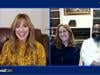
Rabbi Enan and Gitty Francis speak about education, anxiety, self-care, raising whole and healthy children, and challenges of our times.
|

Video | 17:56
Learning from the Rebbe: Episode 16
What is the role of the Jewish mother in raising and educating her children? How does this differ from the role of the father? Guest Expert: Chana Weisberg. (From “Messages”—Season 4, Episode 16)
|

Video | 23:57
Farbreng, Episode 11
During summer, schools and yeshivahs may close for vacation, but Judaism and Torah study must never cease, as they are our very source of life and vitality. (From “Messages”—Season 2, Episode 11)
|

|

Video | 2:39
Elliot Gould argues for Jewish education and William Shatner schools him
|

Video | 6:00
The Rebbe speaks on utilizing the energy of children (August 7, 1985)
|

|

Video | 1:54
Once a child is physically and emotionally well, she will be more open to ideas of personal and spiritual growth.
|

Video | 3:13
When confronted with a challenge, teach your child to ask direct questions like "what can we do to solve this problem?" and "how can we get this obstacle out of our way?"
|

Video | 2:04
The greatest motivation is a taste of success.
|

Video | 1:27
An environment filled with laughter and light moments will be more conducive to growth.
|

Video | 2:10
Set the stage for success by setting concrete steps to catch children before they fall.
|

Video | 1:56
Here's how to help children rationalize their emotions and work on solutions.
|

Video | 1:51
Bad things make more noise, but we need to make a concerted effort to see and pay attention to all the positive things.
|

Video | 22:53
How to strengthen identity, not just behavior
What if your child didn’t need to become confident—but simply needed to discover who they already are? In this foundational class, we explore how every child is born with an inherent sense of worth, purpose, and connection. By shifting from praising behavior to nurturing identity, you will learn how to speak to your child in a way that builds deep self-worth, validates their inner voice, and helps them feel like proud “owners” of their spiritual legacy.
|

Video | 21:36
How to turn frustration into drive and resilience
Many children give up because they don’t believe they will succeed. In this class, we explore how to build deep, lasting motivation by helping your child see effort as meaningful and effective. You’ll learn how to respond to setbacks in ways that build persistence and emotional stamina. You’ll gain practical tools to validate struggle and inspire your child to keep going even when progress feels difficult.
|

Video | 22:10
Building emotional security through a real sense of connection
Children are often taught about G-d, but do they feel Him? This class transforms abstract belief into lived emotional security by reframing G-d as deeply personal, attentive, and present. From diaper-change moments to bedtime fears, you’ll learn how to use daily parenting situations to transmit safety, not fear. The goal is simple but profound: helping children feel safe in the world because they are never alone in it.
|

Video | 23:14
Guiding behavior while nurturing empathy and self-control
When children act out, it’s easy to feel frustrated or concerned—but what if the behavior isn’t who they are? This final session introduces a powerful approach that separates your child’s identity from their impulses. You’ll learn how to help your child access their natural goodness and treat others with care, while also managing their own emotions. Walk away with tools that create more cooperation, connection, and calm in your home.
|

Video | 5:10
1956 - 1961
As a rabbinic student at 770, Rabbi Aaron Cousin joined his colleagues in working under the
New York State "Released time" program, which allows Public School students to receive
religious instruction.
|
Video | 8:39
Part 1: Preaching and Practicing
Education comes in many forms: First and foremost is to provide a living example. The best way to influence someone is by practicing what you preach. As we approach Passover, the call of the hour is to seek out those who cannot afford the holiday expenses and provide all that they need.
|
Video | 5:30
Rabbi Moshe Naparstek, who serves on the faculty of Yeshiva Tomchei Temimim in Kfar Chabad, Isreal, was surprised when during an audience, the Rebbe volunteered advice on the correct approach to education. More than just sound advice, it was a solution to his dilemma. (1960's)
|

Video | 2:02
When your children see you following G-d, they will emulate you. A mother has even greater influence in educating children than a father.
|
Video | 6:41
For children, summer vacation is a welcome break from school. For parents and those responsible for their Jewish education, it is an opportunity not to be missed.
|

Video | 8:12
Long before his bar mitzvah, the Previous Rebbe was already preoccupied with doing acts of kindness. At age eleven he established a free-loan fund, allowing him to help the needy in a dignified manner.
|

Video | 5:23
Rabbi Eliezer Nisilevitch recalls the dangers his family faced in the Soviet Union as members of the Jewish underground, and the strength and direction they received from the Rebbe even after they had succeeded in emigrating to Israel. (1971)
|
Sort By:
Page of 3