


ב"ה
Vayechi
By the Numbers

Reuben in the Bible
The High Priest wore a breastplate with 12 precious stones, one for each of the tribes. The first stone, etched with Reuben’s name, was the red ruby.
The High Priest wore a breastplate with 12 precious stones, one for each of the tribes. The first stone, etched with Reuben’s name, was the red ruby.

10 Questions: Take the Jewish Warriors Quiz
Do you know who led the battle against Amalek? How about the war against Ammon?
Do you know who led the battle against Amalek? How about the war against Ammon?
Your Questions
What Is the Meaning of Israel?
The homeland of the Jews (also called Israelites) is Israel, which means literally, “One who struggles with G‑d.”
The homeland of the Jews (also called Israelites) is Israel, which means literally, “One who struggles with G‑d.”
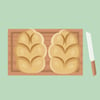
Why Is Challah Braided?
The long-standing Jewish custom is for Shabbat breads to be braided. Here's why.
The long-standing Jewish custom is for Shabbat breads to be braided. Here's why.
Voices



Life Lessons From Three Broken Blue Bowls
Each of the shattered bowls reminds me that G‑d is the only constant in our lives, there when we need His loving care to remake us in a new and better way.
Each of the shattered bowls reminds me that G‑d is the only constant in our lives, there when we need His loving care to remake us in a new and better way.
Story

Tied to Tradition
Years passed, and one day a well-heeled gentleman knocked on the door of the Avtzon home. Taking a wad of cash out of his pocket, he offered it to the rabbi, “This is for you, and I want to beg your forgiveness.”
Years passed, and one day a well-heeled gentleman knocked on the door of the Avtzon home. Taking a wad of cash out of his pocket, he offered it to the rabbi, “This is for you, and I want to beg your forgiveness.”

The Drunk and the Driver
The father frequently staggered around in public, even collapsing in a drunken heap in the gutter. He became the object of mockery and ridicule.
The father frequently staggered around in public, even collapsing in a drunken heap in the gutter. He became the object of mockery and ridicule.
Parshah

Close Your Eyes: Things Aren’t as They Seem
It is natural to become enveloped by the minutiae of our challenges. Awareness of the greater picture of which we are all a part, however, is essential.
It is natural to become enveloped by the minutiae of our challenges. Awareness of the greater picture of which we are all a part, however, is essential.

What Does It Mean to Be a True Leader?
A virtuous person thinks in terms of duties and responsibilities. What is my role? What is my obligation? But a leader thinks in terms of needs. What are the needs of this person? This organization? This population?
A virtuous person thinks in terms of duties and responsibilities. What is my role? What is my obligation? But a leader thinks in terms of needs. What are the needs of this person? This organization? This population?

Don’t Write the Obituary Just Yet!
The Jewish People never die. We almost die on a regular basis. But do we die? Will we? Can we? Never!
The Jewish People never die. We almost die on a regular basis. But do we die? Will we? Can we? Never!
For Your Vayechi Study Group (PDF)
This weekly study packet is part of theJewishwoman.org “Be a Leader” initiative. Print it out and learn it with your study group.
This weekly study packet is part of theJewishwoman.org “Be a Leader” initiative. Print it out and learn it with your study group.
On the Calendar

Tuesday Is Asarah B'Tevet Fast
On Asarah B'Tevet, the 10th day of the Jewish month of Tevet, in the year 3336 from Creation (425 BCE), the armies of the Babylonian emperor Nebuchadnezzar laid siege to Jerusalem. Asarah B'Tevet is observed as a day of fasting, mourning and repentance.
On Asarah B'Tevet, the 10th day of the Jewish month of Tevet, in the year 3336 from Creation (425 BCE), the armies of the Babylonian emperor Nebuchadnezzar laid siege to Jerusalem. Asarah B'Tevet is observed as a day of fasting, mourning and repentance.


Lifestyle

"And I, Daniel, alone saw the vision, but the people with me did not see it; yet a great terror befell them, and they fled into hiding" (Daniel 10:7). But if they did not see the vision, why were they terrified? Because though they themselves did not see, their mazal (supernal soul) saw...
— Talmud, Megillah 3a
Print Magazine
The month before Rosh Hashanah, taught Rabbi Schneur Zalman of Liadi, is a precious month. For thirty days, you can find the Ultimate King awaiting you outside the city, on a rustic path that winds through an empty meadow.
What’s the advantage of meeting the King in a meadow?
Because when you meet the King in His palace...


New on Chabad.org