


ב"ה
Va'era
Editor's Picks

Blog
Thanksgiving and Prayers
Join us in praying that the returnees quickly recover from the physical and emotional trauma they have suffered.
Join us in praying that the returnees quickly recover from the physical and emotional trauma they have suffered.
By the Numbers

11 Unique Ways Jews Inaugurate Their Leaders
From kings and High Priests to rabbis and communal leaders, here’s a curious look at the unique ways Jewish inaugurations have been marked throughout history.
From kings and High Priests to rabbis and communal leaders, here’s a curious look at the unique ways Jewish inaugurations have been marked throughout history.

15 Facts You Should Know About Moses’ Staff
One of the most iconic symbols in the story of the Exodus, used to unleash the plagues and split the sea.
One of the most iconic symbols in the story of the Exodus, used to unleash the plagues and split the sea.

10 Questions: Take the Basics of Judaism Quiz
Do you know when Shabbat begins and who the Patriarchs are?
Do you know when Shabbat begins and who the Patriarchs are?

8 Ways to Get Your Teen to Cooperate
How can I turn my lazy, self-centered youngster into a responsible and caring member of this household?
How can I turn my lazy, self-centered youngster into a responsible and caring member of this household?

Parshah

Did the Egyptians Actually Practice Magic?
The plain reading of the text certainly implies that they did.
The plain reading of the text certainly implies that they did.
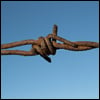
Why We Need to Suffer
Great revelation comes through great suffering. The greater the toil, the greater the accomplishment.
Great revelation comes through great suffering. The greater the toil, the greater the accomplishment.
History


The Teacher and the Russian Minister of Printing and Censorship
As they walked, a well-dressed man approached them and asked the teacher from Mogilev, “Do you recognize me?”
As they walked, a well-dressed man approached them and asked the teacher from Mogilev, “Do you recognize me?”

"The voice is the voice of Jacob"--no prayer is effective unless the seed of Jacob has a part in it. "The hands are the hands of Esau"--no war is successful unless the seed of Esau has a share in it.
— Talmud
Print Magazine
Once the promised land was settled, every household brought a sample of their first fruits to the Temple every year and thanked G‑d for the land.
But not until all Jews were safe and settled, each on their own plot of land.
Because that is the way the Jewish nation operates: Like brothers and sisters.
Not one o...


New on Chabad.org