


ב"ה
Pinchas
By the Numbers

10 Ancient Mikvahs, You Didn't Know Existed
Wherever Jews settled, they built mikvahs intended to last, many of which still retain their shape.
Wherever Jews settled, they built mikvahs intended to last, many of which still retain their shape.


6 Tips For Keeping Kosher When You Live Far From Kosher Shops
With some knowledge and planning, you can maintain a kosher kitchen anywhere in the US.
With some knowledge and planning, you can maintain a kosher kitchen anywhere in the US.
Your Questions
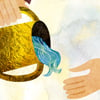
Why Do We Wash Hands After a Funeral or Cemetery Visit?
Whenever holiness departs, negative forces try to fill the void.
Whenever holiness departs, negative forces try to fill the void.


What Are the Three Weeks?
A summary of the laws and customs that pertain to the Three Weeks mourning period for the Holy Temples—17 Tammuz through 9 Av.
A summary of the laws and customs that pertain to the Three Weeks mourning period for the Holy Temples—17 Tammuz through 9 Av.
History


Halachah for Life
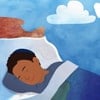
What You Need to Know About Going to Bed Like a Jew
If we go to sleep with purpose, we’re more likely to wake with clarity, energy, and readiness to serve our Creator.
If we go to sleep with purpose, we’re more likely to wake with clarity, energy, and readiness to serve our Creator.
Podcasts

The Rebbe Saved My Marriage
Born in India to Persian Jews, Sarah Karmely was guided by the Rebbe to become an author, teacher, guide, and mentor to thousands, with lots of miracles and drama along the way.
Born in India to Persian Jews, Sarah Karmely was guided by the Rebbe to become an author, teacher, guide, and mentor to thousands, with lots of miracles and drama along the way.

Everything Jewish You Need to Know This Week
In today’s episode of Your Jewish Week, we’re fixing ropes, knocking over saltshakers, and maybe buying a boat.
In today’s episode of Your Jewish Week, we’re fixing ropes, knocking over saltshakers, and maybe buying a boat.
Voices
Journeys
I did not want to be myself. I did not want to become independent. I wanted to remain enfolded in your warmth, listening to the comforting rhythmic beating of your heart...
I did not want to be myself. I did not want to become independent. I wanted to remain enfolded in your warmth, listening to the comforting rhythmic beating of your heart...

Parshah

What Was the “Covenant of Peace” Granted to Phinehas?
Is this distinct from the “Covenant of Priesthood” mentioned in the subsequent verse?
Is this distinct from the “Covenant of Priesthood” mentioned in the subsequent verse?
Learning From the Rebbe



Freedom of choice has been granted to every man: if he desires to turn toward a good path and be righteous, the ability to do so is in his hands; and if he desires to turn toward an evil path and be wicked, the ability to do so is in his hands...
This is a fundamental principle and a pillar of the Torah and its commandments. For if G-d were to decree that a person be righteous or wicked; or if there were to exist something in the very essence of a person's nature which would compel him toward a specific path, a specific conviction, a specific character trait or a specific deed... how could G-d command us through the prophets 'do this' and 'do not do that'...? What place would the entire Torah have? And by what measure of justice would G-d punish the wicked and reward the righteous?
This is a fundamental principle and a pillar of the Torah and its commandments. For if G-d were to decree that a person be righteous or wicked; or if there were to exist something in the very essence of a person's nature which would compel him toward a specific path, a specific conviction, a specific character trait or a specific deed... how could G-d command us through the prophets 'do this' and 'do not do that'...? What place would the entire Torah have? And by what measure of justice would G-d punish the wicked and reward the righteous?
— Mishneh Torah, Laws of Repentance 5:1-3
Print Magazine
On Simchat Torah we dance with our feet, not with our heads.
We are celebrating the Torah, and the Torah is something we study with our heads. But we dance with our feet, not with our heads.
If we would dance with our heads, each one would dance a different dance, each in a different space, some with friends but not wit...


New on Chabad.org