


Chol HaMoed
No Rest for the Weary
Dear Friend,
Ah! We’ve scrubbed our homes, cooked up a storm, and relived the Exodus through the Seders. Now’s the time to sit back and enjoy our freedom, right?
Wrong.
Now’s when the real work begins.
When the Jews left Egypt, they were a foundling nation, still shrugging off the shackles of slavery. To be sure, they had witnessed wonders and miracles and G‑dly revelation, and they followed Moses into the desert with a firm faith and commitment to G‑d. But in order to truly be ready to accept the Torah, they had to go through a 49-step process of refinement to rid themselves of the slave mentality and embrace their G‑dly mission. They had to take the inspiration of the Exodus and integrate it into their hearts and minds.
And so must we today.
Sefirat HaOmer, the Counting of the Omer, is the way we take our soulful Seder experience and translate it into real personal growth. It’s a time to dig deep, reflect, examine our flaws and refine our characters.
Enjoy the journey!
Sasha Friedman
on behalf of the Chabad.org Editorial Team
P.S. How were your Seders? What was particularly meaningful to you this year? Let us know in the comment section below!

So let’s say Moses turns up today. What would he liberate us from? What sort of miracles would he make this time around?

Why has this form of entertainment become so popular in cities everywhere?

In this world, we are given tools, many of them. We have medicines and machines, we have diets and therapies. All these tools, they are given to us to help us, like glasses for poor vision.


It’s Yom Tov, and scores of Chabad chassidim are leaving the Crown Heights neighborhood of Brooklyn on foot—some walking as far as Queens and Upper Manhattan! No, it’s not some fitness craze. It’s Tahaluchah.


Between the holidays of Passover and Shavuot, the Omer is counted each evening, signifying our preparation for the receiving of the Torah on the holiday of Shavuot. Your one-stop site for an enhanced Omer experience.

How to celebrate the holiday that marks the splitting of the sea and the promise of good things to come.

The short and simple answer is that another name for matzah is lechem oni—“poor man's bread” or “bread of poverty.”

Although Passover is called the Season of Our Freedom, when the Jewish people were redeemed from Egypt there was no mention of the matter. Instead, they were told by Moses that they are leaving Egypt to serve G-d.
A short and powerful message on the Festival of Freedom’s profound meaning to us today.
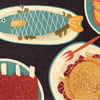
First we drank a glass of wine. Then we ate a bit of parsley. Then they started talking, and talking, and talking. The smell of the food from the kitchen is making me insane, but they don't bring it out!


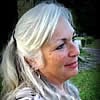
It was a very special Passover for Shari Wilkes, just out of prison after more than three years, where she was helped by rabbinic chaplains and is now looking forward to a more spiritual life
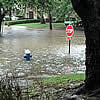
Chabad offers room at the seder table for those affected by floodwaters.
Rabbi Jonah said, “The prophet Jonah ben Amitai was just another pilgrim to the Temple. He walked into the Sukkot celebration, the divine spirit rested upon him, and he became a prophet.”
The Magid of Mezritch taught:
Joy is the path to the divine.
And Sukkot is a time for joy.
A joy that can lift everyone to ...


