


SECTION 529 The Laws [Pertaining to] Rejoicing on a Festival (1-13)
סימן תקכט דִּינֵי שִׂמְחַת יוֹם טוֹב וּבוֹ י"ג סְעִיפִים:
1 Just as it is a mitzvah to honor the Shabbos and delight in it, so too, all the festivals [should be celebrated in such a manner, as alluded to by] the verse,1 “{[If…] you call Shabbos ‘A delight;’ [a day]} sanctified by G‑d, {and you honor it.”}2 [The commands in this verse also apply to] all the festivals, for they [too are referred to with] the phrase, “[a day to] be declared sanctified.”
א כְּשֵׁם שֶׁמִּצְוָה לְכַבֵּד אֶת הַשַּׁבָּת וּלְעַנְּגָהּ – כָּךְ כָּל יָמִים טוֹבִים, שֶׁנֶּאֱמַרא,1 "לִקְדוֹשׁ2 ה' מְכֻבָּד", וְכָל יָמִים טוֹבִים נֶאֱמַר בָּהֶןב "מִקְרָא קֹדֶשׁ".ג

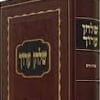
Alter Rebbe's Shulchan Aruch (SIE)
The new layout – with the original text and the facing translation – provides a unique user-friendly approach to studying the Alter Rebbe’s work. An inclusive commentary provides insightful explanations and guidelines for actual practice.
2 How should [the day] be honored? The Sages said [the following]: It is a mitzvah for a person to cut his hair on the day before the festival so that he does not enter the festival unkempt.3 Similarly, it is a mitzvah for one to bathe with hot water,4 to wash his head,5 and to cut his nails6 on the day before the festival, as it is on the day before Shabbos, as stated in sec. 260[:1]. It is also a mitzvah to knead a dough in one’s home on the day before the festival in honor of the festival as one does on the day before Shabbos in honor of Shabbos, as stated in sec. 242[:12-13]. Consult that source.7
Similarly, it is a mitzvah to refrain from eating a [substantial] meal8 from [the beginning of] the tenth hour9 [of the day] and onward on the day before the festival so that one will partake of the festive meal with an appetite.10 This is included [in the expressions] of honor [paid to the festival]. If the day before the festival is Shabbos, and thus it is necessary to eat a third meal [on that day], one should eat it before the tenth hour of the day.11 If he forgot or transgressed, and did not eat [the third meal] before the tenth hour, he should eat it afterwards. This law also applies on the first day of a festival which is the day before the second day of the festival12 celebrated in the Diaspora or the second day of Rosh HaShanah even in Eretz Yisrael.
ב אֵיזֶה כָּבוֹד? זֶה שֶׁאָמְרוּ חֲכָמִיםד שֶׁמִּצְוָה עַל הָאָדָם לְגַלֵּחַ בְּעֶרֶב יוֹם טוֹב, כְּדֵי שֶׁלֹּא יִכָּנֵס לָרֶגֶל כְּשֶׁהוּא מְנֻוָּל.ה,3
וְכֵן מִצְוָה לִרְחֹץ בְּחַמִּיןו,4 וְלָחֹף רֹאשׁוֹז,5 וְלִטּוֹל צִפָּרְנָיוח,6 בְּעֶרֶב יוֹם טוֹב כְּמוֹ בְּעֶרֶב שַׁבָּת, כְּמוֹ שֶׁנִּתְבָּאֵר בְּסִמָּן ר"ס.ט
וְכֵן מִצְוָה לָלוּשׁ פַּת בְּבֵיתוֹ בְּעֶרֶב יוֹם טוֹב לִכְבוֹד יוֹם טוֹבי כְּמוֹ בְּעֶרֶב שַׁבָּת לִכְבוֹד שַׁבָּת, כְּמוֹ שֶׁנִּתְבָּאֵר בְּסִמָּן רמ"ביא עַיֵּן שָׁם.7
וְכֵן מִצְוָה לְהִמָּנַע מִלִּקְבּוֹעַ סְעֻדָּה8 בְּעֶרֶב יוֹם טוֹביב מִשָּׁעָה עֲשִׂירִית9 וּלְמַעְלָה כְּדֵי שֶׁיֹּאכַל סְעֻדַּת יוֹם טוֹב לְתֵאָבוֹן,יג,10 שֶׁזֶּהוּ מִכְּלַל הַכָּבוֹד.יד וְאִם עֶרֶב יוֹם טוֹב הוּא שַׁבָּת שֶׁצָּרִיךְ לֶאֱכוֹל סְעֻדָּה שְׁלִישִׁית – יֹאכְלֶנָּהטו קֹדֶם שָׁעָה עֲשִׂירִית.טז,11 וְאִם שָׁכַחיז אוֹ עָבַר וְלֹא אֲכָלָהּ קֹדֶם שָׁעָה עֲשִׂירִית – יֹאכְלֶנָּה אַחַר כָּךְ. וְכֵן הַדִּין בְּיוֹם טוֹב רִאשׁוֹן שֶׁהוּא עֶרֶב יוֹם טוֹב שֵׁנִייח,12 שֶׁל גָּלֻיּוֹת, אוֹ שֶׁל רֹאשׁ הַשָּׁנָה אֲפִלּוּ בְּאֶרֶץ יִשְׂרָאֵל.
3 What is meant by delight?13 The Sages said [the following]:14 A person is obligated to eat two meals on every [day of the] festival, one at night and one during the day, in the morning. However, it is not necessary to eat a third meal15 unless [the festival] falls on Shabbos.
ג אֵיזֶה עֹנֶג?13 זֶה שֶׁאָמְרוּ חֲכָמִיםיט,14 שֶׁחַיָּב אָדָם לֶאֱכוֹל בְּכָל יוֹם טוֹב ב' סְעֻדּוֹת, אַחַת בַּלַּיְלָה וְאַחַת בַּיּוֹם בְּשַׁחֲרִית.כ אֲבָל אֵין צָרִיךְ לֶאֱכוֹל סְעֻדָּה שְׁלִישִׁית,כא,15 אֶלָּא אִם כֵּן חָל בְּשַׁבָּת.כב
4 The primary element of the meal is the bread that one eats.16 Therefore, it is necessary to be careful to eat [at least] a little bit more than an egg-sized portion17 of bread at every [festive] meal. [The rationale is that eating up to] an egg-sized portion [of bread] is considered an insignificant meal.18
One must establish every [festive] meal with wine, i.e., one must drink wine in the midst of the meal19 if he has the means. [Similarly,] one should increase the [amount of] meat, wine,20 and delicacies [he serves] according to his [financial] capacities.21 He should not constrain the expenses he undertakes [in celebration of] a festival. For a person’s entire livelihood and expenses are meted out to him [in the judgment of] Rosh HaShanah with the exception of the expenses [he undertakes in celebration of] the Shabbasos and the festivals.22 [In those instances,] if he reduces [his expenses], his [allotment] is reduced, and if he increases [his expenses] his [allotment] is increased. See sec. 242[:3ff.].23
ד וְעִקַּר הַסְּעֻדָּה הוּא הַלֶּחֶם אֲשֶׁר הוּא אוֹכֵל,כג,16 לְפִיכָךְ צָרִיךְ לְהִזָּהֵר שֶׁיֹּאכַל בְּכָל סְעֻדָּה פַּתכד יוֹתֵר מִכְּבֵיצָה17 מְעַט,כה שֶׁעַד כְּבֵיצָה נִקְרָא אֲכִילַת עֲרַאי.כו,18
וְצָרִיךְ לִקְבּוֹעַ כָּל סְעֻדָּה עַל הַיַּיִן,כז דְּהַיְנוּ שֶׁיִּשְׁתֶּה יַיִן בְּאֶמְצַע סְעֻדָּתוֹכח,19 אִם יָדוֹ מַשֶּׂגֶת.כט וְיַרְבֶּה בְּבָשָׂר וְיַיִן20 וּמִגְדָּנוֹת כְּפִי יְכָלְתּו,ל,21 וְאַל יְצַמְצֵם בְּהוֹצָאַת יוֹם טוֹב, שֶׁכָּל מְזוֹנוֹתָיו וִיצִיאוֹתָיו שֶׁל אָדָם קְצוּבִים לוֹ מֵרֹאשׁ הַשָּׁנָה, חוּץ מֵהוֹצָאוֹת שַׁבָּתוֹת וְיָמִים טוֹבִים,22 שֶׁאִם פִּחֵת – פּוֹחֲתִין לוֹ, וְאִם הוֹסִיף – מוֹסִיפִין לוֹ,לא וְעַיֵּן בְּסִמָּן רמ"ב.לב,23
5 These two mitzvos of honoring [the festival] and delighting [in it] are also practiced on Rosh HaShanah,24 for it is also referred to [with the phrase],25 “[a day to] be declared holy.” However, they are not practiced on Chol HaMoed, since [those days] are not referred to with [the phrase], “[a day to] be declared sanctified.”26
It has already been explained in sec. 242[:1] that honoring [the Shabbasos and festivals] and delighting [in them] are mitzvos instituted by the Sages and explicitly mentioned by the prophets.27
ה ב' מִצְוֹת אֵלּוּ שֶׁהֵן כָּבוֹד וְעֹנֶג, הֵן נוֹהֲגוֹת גַּם כֵּן בְּרֹאשׁ הַשָּׁנָה,24 שֶׁהֲרֵי נֶאֱמַר בּוֹ25 "מִקְרָא קֹדֶשׁ".לג אֲבָל אֵינָן נוֹהֲגוֹת בְּחֻלּוֹ שֶׁל מוֹעֵד, שֶׁהֲרֵי לֹא נֶאֱמַר בָּהֶן "מִקְרָא קֹדֶשׁ".לד,26 וּכְבָר נִתְבָּאֵר בְּסִמָּן רמ"בלה שֶׁהַכָּבוֹד וְהָעֹנֶג הֵן מִצְוֹת מִדִּבְרֵי סוֹפְרִים וּמְפֹרָשִׁין עַל יְדֵי הַנְּבִיאִים.27
6 There is an additional [obligation applying] on Chol HaMoed28 that does not apply on Rosh HaShanah:29 that a person – his children, his wife, the members of his household, and all those who depend on him30 – are obligated to rejoice and be glad of heart on all the seven days of Pesach, the eight days of the holiday [of Sukkos and Shemini Atzeres], and the festival of Atzeres [i.e., Shavuos].31
This rejoicing is a positive Scriptural commandment,32 as it is written,33 “You shall rejoice on your festivals, you, your sons, your daughters.…”
ו וְיֵשׁ בְּחֹל הַמּוֹעֵד28 מַה שֶּׁאֵין בְּרֹאשׁ הַשָּׁנָה,לו,29 וְהוּא שֶׁכָּל שִׁבְעַת יְמֵי הַפֶּסַח וּשְׁמוֹנַת יְמֵי הֶחָג,לז וְכֵן בְּיוֹם טוֹב שֶׁל עֲצֶרֶתלח,31 – חַיָּב אָדָם לִהְיוֹת שָׂמֵחַ וְטוֹב לֵב הוּא וּבָנָיו וְאִשְׁתּוֹ וּבְנֵי בֵיתוֹ וְכָל הַנִּלְוִים אֵלָיו,לט,30 וְשִׂמְחָה זוֹ הִיא מִצְוַת עֲשֵׂה מִן הַתּוֹרָה,מ,32 שֶׁנֶּאֱמַרמא,33 "וְשָׂמַחְתָּ בְּחַגֶּךָ אַתָּה וּבִנְךָ וּבִתֶּךָ וְגוֹ'".
7 How does one enable [the members of his household] to rejoice?34 He gives his young children roasted seeds and nuts.35 He should purchase garments and jewelry for the women according to his financial capacity.36 With regard to the men: During the era when the Beis HaMikdash was standing, they would partake of the meat of the peace offerings to rejoice.37 In the present era, when the Beis HaMikdash is not standing, they do not fulfill their obligation to rejoice except by [drinking] wine,38 as it is written,39 “Wine gladdens the heart of man.”40
There is, however, no obligation to eat meat [on a festival] in the present era since we do not have the meat of the peace offering. Nevertheless, there is a mitzvah to eat meat on the festivals, since [the Torah] states that [one must] rejoice on them.41 Since we are unable to rejoice through the primary [cause for] rejoicing, i.e., eating the meat of the peace offerings, we should experience the joy [of the festival] through all other means of rejoicing.42
For this reason, it has become customary to serve more types of food on a festival than on Shabbos, because “rejoicing” is not mentioned with regard [to Shabbos].43 Similarly, the garments [worn on] a festival should be of a finer quality than those [worn on] Shabbos.
ז כֵּיצַד מְשַׂמְּחָן?מב,34 הַקְּטַנִּים נוֹתֵן לָהֶם קְלָיוֹת וֶאֱגוֹזִים,מג,35 וְהַנָּשִׁים קוֹנֶה לָהֶם בְּגָדִים וְתַכְשִׁיטִין כְּפִי מָמוֹנוֹ,מד,36 וְהָאֲנָשִׁים בִּזְמַן שֶׁבֵּית הַמִּקְדָּשׁ הָיָה קַיָּם הָיוּ אוֹכְלִין בְּשַׂר שְׁלָמִים לְשִׂמְחָה,מה,37 וְעַכְשָׁו שֶׁאֵין בֵּית הַמִּקְדָּשׁ קַיָּם – אֵין יוֹצְאִים יְדֵי חוֹבַת שִׂמְחָה אֶלָּא בְּיַיִן,38 שֶׁנֶּאֱמַרמו,39 "וְיַיִן יְשַׂמַּח לְבַב אֱנוֹשׁ".40 אֲבָל בָּשָׂר אֵין חוֹבָה לֶאֱכוֹל עַכְשָׁו, כֵּיוָן שֶׁאֵין לָנוּ בְּשַׂר שְׁלָמִים.
וּמִכָּל מָקוֹם, מִצְוָה יֵשׁ בַּאֲכִילַת בָּשָׂר בְּיוֹם טוֹב,מז כֵּיוָן שֶׁנֶּאֱמַר בּוֹ שִׂמְחָה,41 וְהוֹאִיל וְאִי אֶפְשָׁר לָנוּ לִשְׂמוֹחַ בּוֹ בְּעִקַּר הַשִּׂמְחָה שֶׁהִיא אֲכִילַת בְּשַׂר שְׁלָמִים – יֵשׁ לָנוּ לְשַׂמְּחוֹ בִּשְׁאָר כָּל מִינֵי שְׂמָחוֹת.מח,42
לְכָךְ נָהֲגוּ לְהַרְבּוֹת בְּמִינֵי מַאֲכָלִים בְּיוֹם טוֹב יוֹתֵר מִבְּשַׁבָּתמט שֶׁלֹּא נֶאֱמַר בָּהּ שִׂמְחָה,נ,43 וְכֵן בִּגְדֵי יוֹם טוֹב צְרִיכִים לִהְיוֹת יוֹתֵר טוֹבִים מִבִּגְדֵי שַׁבָּת.נא
8 On the morning of the festival, [the practice is] to come to the synagogue slightly later [than usual] so that some of the preparations necessary for the [festive] meal can be made before going to the synagogue.44 [In this way, the people] will not have to delay [their meal] so that everything necessary for the [festive] meal could be prepared after their return from the synagogue. Moreover, even in the synagogue, [the prayers] should not be prolonged excessively. Instead, [the congregation] should hurry44 to depart in order to rejoice in the celebration of the festival. Those chazanim who prolong [the prayers] beyond noon should be admonished, as stated in sec. 288[:1].45 Consult that source.
ח בְּיוֹם טוֹב שַׁחֲרִית מְאַחֲרִיןנב מְעַט לָבֹא לְבֵית הַכְּנֶסֶת, כְּדֵי שֶׁיָּכִינוּנג מִקְצָת צָרְכֵי הַסְּעֻדָּה קֹדֶם הֲלִיכָה לְבֵית הַכְּנֶסֶת,44 וְלֹא יִצְטָרְכוּ לְהִתְעַכֵּב בְּתִקּוּן כָּל צָרְכֵי סְעֻדָּה בְּבוֹאָם מִבֵּית הַכְּנֶסֶת. וְגַם בְּבֵית הַכְּנֶסֶת אֵין מַאֲרִיכִין מְאֹד, אֶלָּא מְמַהֲרִין40 לָצֵאתנד כְּדֵי לִשְׂמוֹחַ בְּשִׂמְחַת יוֹם טוֹב.נה וְיֵשׁ לִגְעוֹר בַּחַזָּנִים הַמַּאֲרִיכִים יוֹתֵר מֵחֲצוֹת הַיּוֹם,נו כְּמוֹ שֶׁנִּתְבָּאֵר בְּסִמָּן רפ"חנז,45 עַיֵּן שָׁם.
9 At present, in [our] time, when it is [customary to prolong the festival prayer service] with liturgical hymns, thus [giving] the women the opportunity to prepare the needs of the [festive] meal while the hymns are being recited, [the men] should hurry to attend the synagogue as on the other days of the year.46
One should admonish [the inhabitants of] certain places where they delay coming to the synagogue on festivals and also recite lengthy liturgical hymns before the Shema, and thus recite the Shema after the prescribed time.47
ט עַכְשָׁו בִּזְמַן הַזֶּה שֶׁמַּאֲרִיכִים בְּפִיּוּטִים וִיכוֹלוֹת הַנָּשִׁים לְהָכִין צָרְכֵי הַסְּעֻדָּה בְּעוֹד שֶׁאוֹמְרִים הַפִּיּוּטִים, לְפִיכָךְ יְמַהֲרוּ לָבֹא לְבֵית הַכְּנֶסֶתנח כְּמוֹ בִּשְׁאָר יְמוֹת הַשָּׁנָה.נט,46 וְצָרִיךְ לִמְחוֹת בְּיַד מִקְצָת מְקוֹמוֹת שֶׁמְּאַחֲרִים לָבֹא לְבֵית הַכְּנֶסֶת בְּיוֹם טוֹב וְגַם מַאֲרִיכִים בְּפִיּוּטִים קֹדֶם קְרִיאַת שְׁמַע, וּמִתּוֹךְ כָּךְ הֵם עוֹבְרִים זְמַן קְרִיאַת שְׁמַע.ס,47
10 Even though eating and drinking on the festivals fulfills a positive commandment,48 a person should not spend the entire day eating and drinking, for [the festivals are described in the Torah] as49 “an assembly for G‑d,” [the implication being that they are days that should be devoted to spiritual activities like prayer and study]. Although [they are also described] as50 “an assembly for yourselves,” the Sages [resolved the apparent contradiction between these descriptions], explaining51 [that they should be celebrated] “half to G‑d” and “half for yourselves.”
Therefore, this is the proper practice. In the morning, all the people should rise early [and proceed] to the synagogues and houses of study. [There,] they should recite the Morning and Mussaf Services. [Afterwards,] they should return to their homes and partake of the morning [festive] meal. They should then go to the Houses of Study and read from the works of the prophets and expound upon Aggadic passages [of the Oral Law]52 until [a bit] after midday, thus fulfilling [the charge,] “half to G‑d.” Afterwards, they should recite the Afternoon Service and [then] return to their homes to eat, drink, and rejoice in the celebration of the festival for the remainder of the day until nightfall to fulfill [the charge,] “half for yourselves.”53
In the present era, when it is [customary to] lengthen the prayers with melodies,54 this time should not be reckoned as part of the “half to G‑d,” but rather, it is considered as part of the “[half for] yourselves.”
י אַף עַל פִּי שֶׁהָאֲכִילָה וּשְׁתִיָּה בַּמּוֹעֲדוֹת הִיא מִצְוַת עֲשֵׂהסא,48 – לֹא יִהְיֶה אוֹכֵל וְשׁוֹתֶה כָּל הַיּוֹם כֻּלּוֹ,סב שֶׁהֲרֵי כְּבָר נֶאֱמַר:סג,49 "עֲצֶרֶת לַה' אֱלֹהֶיךָ", וְאַף עַל פִּי שֶׁנֶּאֱמַר:סד,50 "עֲצֶרֶת תִּהְיֶה לָכֶם", כְּבָר פֵּרְשׁוּ חֲכָמִים:סה,51 חֶצְיוֹ לַה' וְחֶצְיוֹ לָכֶם.
לְפִיכָךְ, כָּךְ הִיא הַדָּת הַנְּכוֹנָה: בַּבֹּקֶר מַשְׁכִּימִין כָּל הָעָם לְבָתֵּי כְנֵסִיּוֹת וּלְבָתֵּי מִדְרָשׁוֹת וּמִתְפַּלְלִין שַׁחֲרִית וּמוּסָף, וְחוֹזְרִים לְבָתֵּיהֶם וְאוֹכְלִין סְעֻדַּת הַבֹּקֶר, וְהוֹלְכִים לְבָתֵּי מִדְרָשׁוֹתסו וְקוֹרִין בַּנְּבִיאִים (א) וְדוֹרְשִׁין בָּאַגָּדָהסז,52 עַד אַחַר חֲצוֹת הַיּוֹם, כְּדֵי לְקַיֵּם "חֶצְיוֹ לַה'", וְאַחַר כָּךְ מִתְפַּלְלִין מִנְחָה, וְחוֹזְרִין לְבָתֵּיהֶם לֶאֱכוֹל וְלִשְׁתּוֹת וְלִשְׂמוֹחַ שִׂמְחַת יוֹם טוֹב שְׁאָר הַיּוֹם עַד הַלַּיְלָה,סח כְּדֵי לְקַיֵּם "חֶצְיוֹ לָכֶם".53
וְעַכְשָׁו שֶׁמַּאֲרִיכִים בְּנִגּוּנִים בְּתוֹךְ הַתְּפִלָּה54 – אֵין זֶה עוֹלֶה בִּכְלַל "חֶצְיוֹ לַה'", אֶלָּא בִּכְלַל "לָכֶם" הוּא.סט
11 When a person eats and drinks [in celebration on a festival],55 he is obligated to provide food for a stranger, an orphan, and a widow, together with other unfortunate poor people, [as implied by] the verse,56 [“you shall rejoice on your festival – you, and your son, and your daughter, and your manservant, and your maidservant, and] the Levite, the stranger, the orphan, [and the widow].”57
By contrast, a person who locks the gates of his courtyard and eats and drinks [with] his children and his wife, without feeding the poor and the embittered, is not [indulging in] rejoicing associated with a mitzvah, but rather the rejoicing of his gut.
With regard to such people [is applied] the words [of censure],58 “Their sacrifices will be like the bread of mourners, all that partake thereof shall become impure, for their bread is for themselves alone” i.e., [the food] is impure. Moreover, such happiness is a disgrace for them, as [implied by] the verse,59 “I will spread dung on your faces, the dung of your festival celebrations.”
יא וּכְשֶׁהוּא אוֹכֵל וְשׁוֹתֶה55 – חַיָּב לְהַאֲכִיל לַגֵּר לַיָּתוֹם וְלָאַלְמָנָה עִם שְׁאָר הָעֲנִיִּים הָאֻמְלָלִים,ע שֶׁנֶּאֱמַרעא,56 "וְהַלֵּוִי וְהַגֵּר וְהַיָּתוֹם וְגוֹ'".57 אֲבָל מִי שֶׁנּוֹעֵל דַּלְתֵי חֲצֵרוֹ וְאוֹכֵל וְשׁוֹתֶה הוּא וּבָנָיו וְאִשְׁתּוֹ וְאֵינוֹ מַאֲכִיל וּמַשְׁקֶה לַעֲנִיִּים וּלְמָרֵי נֶפֶשׁ – אֵין זוֹ שִׂמְחַת מִצְוָה אֶלָּא שִׂמְחַת כְּרֵסוֹ, וְעַל אֵלּוּ נֶאֱמַר:58 "זִבְחֵיהֶם כְּלֶחֶם אוֹנִים לָהֶם, כָּל אֹכְלָיו יִטַּמָּאוּ, כִּי לַחְמָם לְנַפְשָׁם"עב טָמֵא הוּא, וְשִׂמְחָה כָּזוֹ קָלוֹן הוּא לָהֶם, שֶׁנֶּאֱמַר59 "וְזֵרִיתִי פֶרֶשׁ עַל פְּנֵיכֶם פֶּרֶשׁ חַגֵּיכֶם".עג
12 When a person eats, drinks, and celebrates on a festival, he should not let himself become [overly] drawn to drinking wine, mirth, and levity, saying, “Whoever indulges in [these activities] exceedingly is increasing [his observance of] the mitzvah of rejoicing [on the festival].” For drunkenness, profuse mirth, and levity are not rejoicing; they are frivolity and foolishness.
We were not commanded to indulge in frivolity or foolishness, but rather in rejoicing that involves the service of the Creator of all existence. Thus, it is written,60 “Because you did not serve G‑d, Your Lord, with happiness and a glad heart with an abundance of prosperity.” This teaches us that service [of G‑d] involves joy.61 And it is impossible to serve G‑d while in the midst of levity, frivolity, or drunkenness.62
יב כְּשֶׁאָדָם אוֹכֵל וְשׁוֹתֶה וְשָׂמֵחַ בָּרֶגֶל – לֹא יִמְשׁוֹךְ בְּיַיִן וּבִשְׂחוֹק וּבְקַלּוּת רֹאשׁ וְיֹאמַר כָּל מִי שֶׁיּוֹסִיף בָּזֶה יַרְבֶּה בְּמִצְוַת שִׂמְחָה, שֶׁהַשִּׁכְרוּת וְהַשְּׂחוֹק הַרְבֵּה וְקַלּוּת הָרֹאשׁ אֵינָהּ שִׂמְחָה אֶלָּא הוֹלֵלוּת וְסִכְלוּת, וְלֹא נִצְטַוִּינוּ עַל הַהוֹלֵלוּת וְהַסִּכְלוּת אֶלָּא עַל הַשִּׂמְחָה שֶׁיֵּשׁ בָּהּ עֲבוֹדַת יוֹצֵר הַכֹּל,עד שֶׁנֶּאֱמַרעה,60 "תַּחַת אֲשֶׁר לֹא עָבַדְתָּ אֶת ה' אֱלֹהֶיךָ בְּשִׂמְחָה וּבְטוּב לֵבָב מֵרֹב כֹּל", הָא לָמַדְתָּ שֶׁהָעֲבוֹדָה הִיא בְּשִׂמְחָה,61 וְאִי אֶפְשָׁר לַעֲבוֹד אֶת ה' לֹא מִתּוֹךְ שְׂחוֹק וְלֹא מִתּוֹךְ שִׁכְרוּת.עו,62
13 The [Jewish] court is obligated to appoint officers who will circulate [among the people] on the festivals and check the gardens, orchards, and river banks to see that men and women do not gather there to eat or to drink, lest they [conduct themselves immodestly and] come to sin.
Similarly, they must warn the people that men and women should not mix at festive gatherings in their homes, nor should they overindulge in wine, lest they be led to sin. Instead, they should all conduct themselves in a holy manner.63
The remainder of the sections of the [Alter Rebbe’s] Shulchan Aruch until the Laws of Rosh HaShanah were never printed, because they were not found among the manuscripts of the author, may his soul reside in Heaven.
יג חַיָּבִים בֵּית דִּין לְהַעֲמִיד שׁוֹטְרִים בָּרְגָלִים, שֶׁיִּהְיוּ מְסַבְּבִין וּמְחַפְּשִׂין בַּגַּנּוֹת וּפַרְדֵּסִים וְעַל הַנְּהָרוֹת, שֶׁלֹּא יִתְקַבְּצוּ שָׁם אֲנָשִׁים וְנָשִׁים לֶאֱכוֹל וְלִשְׁתּוֹת וְיָבֹאוּ לִידֵי עֲבֵרָה. וְכֵן יַזְהִירוּ זֶה לְכָל הָעָם שֶׁלֹּא יִתְעָרְבוּ אֲנָשִׁים וְנָשִׁים בְּבָתֵּיהֶם לְשִׂמְחָה וְלֹא יִמָּשְׁכוּ בַּיַּיִן, שֶׁמָּא יָבֹאוּ לִידֵי עֲבֵרָה,עז אֶלָּא כֻּלָּם יִהְיוּ קְדוֹשִׁים.עח,63


Start a Discussion