


Haazinu & Sukkot
Do You Have Time to Sin?
Dear Friend,
My eldest son just became bar mitzvah on Yom Kippur (by the way, this section was a great prep tool). What is remarkable was that he even needed to show up to synagogue. After all, he entered Yom Kippur with a clean slate—so why ask forgiveness?
The truth is, between Yom Kippur and Sukkot we all have clean slates. We’ve just been forgiven on Yom Kippur. And with all the Sukkot prep, our sages say we don’t even have time to sin! This is why Sukkot is referred to in the Torah as “the first day.” After the hustle of putting up our sukkah, gathering the ingredients for our lulav and etrog, and all other preparations for the holiday, it’s the first opportunity for us to stray.
But then we walk into our sukkah, humbled by nature’s impermanence and reliant on G‑d’s protection. Appreciating the bounty of the past year, and confident that we’re deserving of a blessed year to come. We now have the energy and faith to continue in the path of Torah and mitzvahs for the entire year. That is true happiness, a theme of Sukkot.
If you have not yet gotten busy, here’s the quick guide to get started.
Gotta go, lots to do!
Wishing you a joyous Sukkot!
Moshe Rosenberg,
on behalf of the Chabad.org Editorial Team



The seven days of Sukkot—celebrated by dwelling in the sukkah, taking the Four Kinds, and rejoicing—is the holiday when we expose ourselves to the elements in covered huts, commemorating G‑d's sheltering our ancestors as they traveled from Egypt to the Promised Land. The Four Kinds express our unity and our belief in G‑d’s omnipresence. Coming after the solemn High Holidays, it is a time of joy and happiness

Four types of vegetation are "taken" every day of the holiday of Sukkot. They are: lulav (palm frond), etrog (citron), hadasim (myrtles), and aravot (willows)
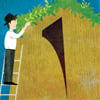
This sukkah guide will lead you through the fun mitzvah of building and dwelling in a sukkah—from the permitted and required components in its structure, to the basic rules of living in the sukkah.

As we fill our sukkah with earthly guests, we merit to host seven supernal guests.
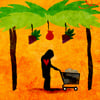
As I sit back in my chair behind my large oak desk, waiting for Windows to load, I wonder when I had become so conceited. Where had this feeling of superiority come from? What is it that makes me believe, for even a fleeting moment, that I am better than those two men?

Does Jewish unity allow for diversity? The pros and cons of multiculturalism are reflected in the two primary mitzvot of Sukkot—taking the Four Kinds and dwelling in the sukkah.

In the city of Berditchev, home to tens of thousands of Jews, there was but one etrog . . .

The mitzvah of mezuzah is known to provide protection for us and our homes. Discover the incredible power of the mezuzah, documented in traditional Torah sources, in bestowing security and guarding the physical welfare of our people. This class offers insight and historical context into the Rebbe’s mezuzah campaign.

Tens of thousands of Jewish men, women and children around the world, in person and on-line, take part in an inspiring start to a new year of Jewish connectedness.

As reality sets in, a refugee community rethinks the future.

A native of Warsaw, Holocaust survivor Irving Malkis, 83, puts on tefillin for the first time.
Everything about the Rebbe was pure kindness. Even his idea of “hell” was as kind and generous as could be:
People have a misconception of Hell. Let me tell you what Hell really is.
Hell is a spiritual place where everything that exists in our world exists, but in an infinite way. So, whatever you chased after in this...


