


Emor: Say It Again!
Dear Friend,
This week we celebrate Pesach Sheni (the Second Passover), by eating some matzah. In temple times, whoever was prevented from celebrating the first time around would actually bring the Passover sacrifice on this Second Passover. How did this come to pass?
A year after the Exodus, a handful of the Israelites were unable to take part in the paschal sacrifice. They pleaded for another chance, and G‑d instituted the Second Passover, one month after the first one. As a result, Pesach Sheni has come to symbolize second chances.
Have you ever messed up? I know I have. Most of us do it pretty regularly. So in the season of second chances, let’s re-evaluate ourselves, our lives and our service of G‑d. If we need a fresh start—now’s the time.
Miriam Szokovski,
on behalf of the Chabad.org Editorial Team
P.S. This coming Sunday will be Lag BaOmer, the anniversary of the passing of Rabbi Shimon bar Yochai, the author of the Zohar. Chances are that the Chabad center near you will be celebrating with bonfires and other outdoor excitement. So, find out where the action is, and join in the fun!

What was truly remarkable about the wilderness years was not that the Israelites were surrounded by the clouds of glory, but that they were an entire nation without a home or houses; they were like nomads without a place of refuge.

We generally don’t really appreciate that which we have until there’s a risk of losing it.

Laws specific to the Temple priests, festivals on the Jewish calendar, the menorah and the showbread. Penalties for murder, assault and destruction, followed by an execution.
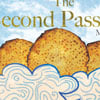
Thirty days ago we cleaned our homes and souls of leaven, and matzahed our way through the week-long festival of Passover. And now, Pesach Sheni—a second Passover experience!
There are many differences between the observance of the First and Second Passovers. Is there one common thread which can explain all these differences?
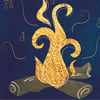
Lag BaOmer is a festive day on the Jewish calendar, celebrating the anniversary of the passing of the great sage Rabbi Shimon bar Yochai and the end of a plague that raged amongst the disciples of the great sage Rabbi Akiva.

She gestured to a pile of documents and photographs she had prepared for our meeting, pulling out an old newspaper.“Look, that’s me in the front row, soon after the liberation of Bergen-Belsen,” she said in a shaky voice.
Is death a reason to mourn, or to celebrate the life of the deceased? That depends on the nature of the person’s life . . .

Like many men and women of my generation, I was caught up in proving myself. One successful academic publication begot more. A teaching award necessitated that I earn the next higher honor . . .

Even when we are experiencing our personal famines, our relationship with G‑d is still present and accessible.

Kabbalah and Chassidism speak of four worlds. Where are they? Why haven’t they been discovered yet?

Where there are few Jews who recognize are care about the state of Yiddishkeit, then the responsibility of those who do is increased many fold.

Moshe finally lost all patience with this rude boor, and signaled his servants to remove the impudent pest from his presence. But the target was much too quick. Before they could lay a hand on him, he climbed out of the window and disappeared.

A Lag BaOmer campfire treat, with step-by-step pictures and instructions.
Bonfires. Picnic lunches. Parades and parks. Lag BaOmer is approaching, and it comes early this year, on Sunday, April 28, the earliest it has been since 1899. Snow is still falling in parts of North America.
My wife called me at 3 PM and told me to pick up the kids right away—two bombs had exploded at the finish line of the Boston Marathon. The kids go to New England Hebrew Academy, just a mile or so from the blasts.
It’s been a little more than a month since the passing of beloved children’s radio personality and masterful educator Rabbi Yosef “Yossi” Goldstein. The Jewish Learning Group just released Uncle Yossi’s Big Book of Stories.

The Rebbe describes the following as a core teaching of the Baal Shem Tov:
Not only are the pirouettes of a leaf as it falls off a tree,
the quivering of a blade of grass in the wind,
and all the details of the world around you
all brought into being, given life and directed every moment from Above—
but beyond ...


