SECTION 30 The Laws Applying to a Wound in the Bone of [an Animal’s] Skull (1-2)
סימן ל דִּין מַכָּה בְּעֶצֶם הַגֻּלְגֹּלֶת וּבוֹ ב' סְעִיפִים
When the greater portion of the bone of the skull – whether the greater portion of its height or the greater portion of its circumference – of a domesticated or undomesticated animal was crushed, [the animal] is tereifah even if the membrane [surrounding the brain] is intact.
אבְּהֵמָה אוֹ חַיָּה שֶׁנִּתְרוֹצֵץ רֹב עֶצֶם גֻּלְגָּלְתָּהּ, בֵּין בְּרֹב גָּבְהָהּ בֵּין בְּרֹב הֶקֵּפָהּ, טְרֵפָה, אַף עַל פִּי שֶׁהַקְּרוּם קַיָּם.

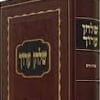
Alter Rebbe's Shulchan Aruch (SIE)
The new layout – with the original text and the facing translation – provides a unique user-friendly approach to studying the Alter Rebbe’s work. An inclusive commentary provides insightful explanations and guidelines for actual practice.
If [the skull] was damaged and a [portion of the bone the size of a coin called] a sela was removed from it, [the animal] is tereifah. If [the skull] was perforated [and the] perforations were such that [they caused the substance of the bone] to be lacking, [the law depends on how much of the bone is missing. If] the sum [total of the] entire [portion that is missing] is equal to a sela, which is one-third of a handbreadth, [the animal] is tereifah. Note: However, [ifthe portion of the skull that is missing] is smaller than that size, [the animal] may be deemed kosher, even in the present age. (1)[The rationale is that] we are not concerned about [the possibility of] a perforation of the membrane [surrounding] the brain in the case of an animal (this is the implication of the Tur and Issur VeHeter HaAruch, sec. 54).
With regard to a waterfowl, e.g., a goose (or a duck) (Rashba, the responsa of Rabbeinu Asher, sec. 20, responsum 6 [states that]), even if only the slightest extent of the bone [of the skull] was perforated, [the fowl] is tereifah.
[Different rules apply regarding] a land fowl. If a weasel bit [the fowl’s] head with its teeth, or it was struck by a piece of wood or stone, [it should be examined as follows:] One should place his finger at the side of the hole and stick his finger there or insert his finger into [the fowl’s] mouth and press [on the brain matter, toward the perforation]. If [the fowl’s] brain does not bubble (i.e., move [upward]) and emerge from the hole, it is apparent that the membrane of the brain was not perforated and [the fowl] is kosher. If [the brain] emerges, it is tereifah.
Note: We are not knowledgeable regarding the examination of [blemishes that could possibly render an animal or fowl] tereifah. Therefore, a fowl should be deemed tereifah [even] if the bone of the skull was perforated [only] to the slightest extent. (2) [This applies] even with regard to a land fowl (the shaarim of Maharai,shaar 31, IssurVeHeterHaAruch, sec. 94).
בנִפְחֲתָה וְחָסֵר מִמֶּנָּה כְּסֶלַע, טְרֵפָה. וְאִם נִקְּבָה נְקָבִים שֶׁיֵּשׁ בָּהֶן חִסָּרוֹן, אִם בֵּין כֻּלָּם כְּסֶלַע, שֶׁהוּא שְׁלִישׁ טֶפַח, טְרֵפָה. הַגָּה: אֲבָל פָּחוֹת מִזֶּה יֵשׁ לְהַכְשִׁיר אֲפִלּוּ בִּזְמַן הַזֶּה, (א) דְּלֹא חַיְשִׁינָן בִּבְהֵמָה לִנְקִיבַת קְרוּם שֶׁל מוֹחַ (כָּךְ מַשְׁמַע בַּטּוּר וּבְאִסּוּר וְהֶתֵּר הָאָרֹךְ כְּלָל נ''ד). וּבְעוֹף הַמַּיִם, כְּגוֹן אַוָּזוֹת (וּבַר אַוָּזוֹת) (רַשְׁבָּ''א וּתְשׁוּבַת הָרֹא"שׁ כְּלָל כ' סִימָן ו'), אֲפִלּוּ לֹא נִקַּב הָעֶצֶם אֶלָּא כָּל שֶׁהוּא, טְרֵפָה. וְעוֹף הַיַּבָּשָׁה שֶׁנְּשָׁכַתָּה חֻלְדָּה בְּשִׁנֶּיהָ בְּרֹאשָׁהּ, אוֹ שֶׁנִּגְּפָה בְּעֵץ אוֹ בְּאֶבֶן, מַנִּיחַ אֶצְבָּעוֹ בְּצַד הַנֶּקֶב וְנוֹעֵץ אֶצְבָּעוֹ שָׁם, אוֹ מַכְנִיס יָדוֹ לְתוֹךְ פִּיהָ וְדוֹחֵק שָׁם, אִם לֹא בִצְבֵּץ (פֵּרוּשׁ, עִנְיַן תְּנוּעָה) הַמּוֹחַ וְלֹא יָצָא מֵהַנֶּקֶב, בְּיָדוּעַ שֶׁלֹּא נִקַּב קְרוּם שֶׁל מוֹחַ, וּכְשֵׁרָה; וְאִם יָצָא, טְרֵפָה. הַגָּה: וַאֲנַן אֵין בְּקִיאִין בִּבְדִיקַת הַטְּרֵפוֹת וְלָכֵן יֵשׁ לְהַטְרִיף אִם נִקַּב עֶצֶם הַגֻּלְגֹּלֶת בְּכָל שֶׁהוּא (ב) בָּעוֹף, אֲפִלּוּ בְּעוֹף דְּיַבָּשָׁה (בִּשְׁעָרִים דמהרא''י שַׁעַר ל''א וּבְאִסּוּר וְהֶתֵּר הָאָרֹךְ כְּלָל צ''ד).